
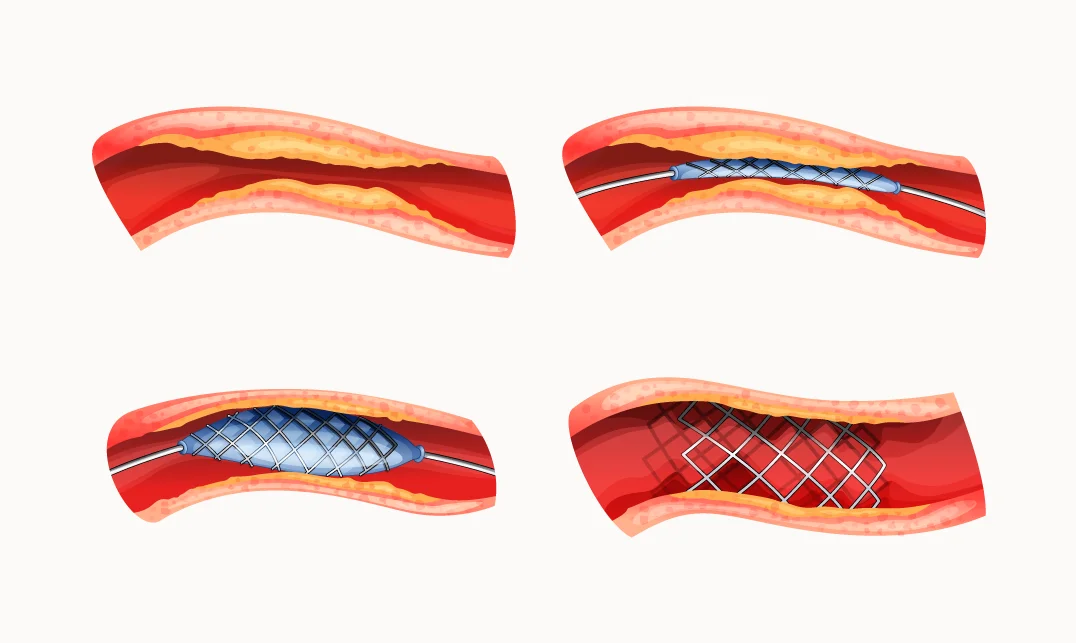
Coronary stent placement is an effective treatment for restoring blood flow and reducing the risk of chest pain or heart attack. However, having a stent implanted does not mean treatment is complete. Life after a stent is at least as important as the procedure itself, both for keeping the vessel open and for protecting long-term heart health.
The First Days After Your Stent
Most patients are back on their feet quickly after the procedure. Mild pain, tenderness, or bruising at the access site (wrist or groin) is normal and typically resolves within a few days. Keeping the area clean and avoiding heavy lifting for as long as your doctor advises are important steps.
Some fatigue in the first few days is common, usually related to the stress of the procedure and the medications involved. It tends to improve on its own.
Why Your Medications Matter
One of the most critical aspects of life after a stent is taking your medications consistently and completely. After stent implantation, antiplatelet (blood-thinning) medications are prescribed to prevent clot formation inside the stent.
These medications prevent the stent from becoming blocked, are potentially life-saving, and must never be stopped without consulting your doctor (even if you feel completely well). Stopping early can cause sudden stent occlusion with serious consequences. The duration and dosage are determined by the stent type and your individual risk profile.
Diet and Lifestyle Changes
A stent opens an existing narrowing, but it does not eliminate the underlying artery disease. Diet and lifestyle changes therefore remain essential after the procedure.
A heart-healthy diet is low in saturated and trans fats and rich in vegetables, fruits, whole grains, and healthy fats. Limiting salt intake and maintaining a healthy weight also reduce the burden on your heart.
If you smoke, stopping after a stent is not optional; smoking significantly increases the risk of re-narrowing.
Physical Activity and Exercise
Most patients are encouraged to start moving again fairly soon after a short rest period. Light walking is generally safe in the early stages and supports heart recovery.
The appropriate type and intensity of exercise depends on your overall condition and the reason the stent was placed. Always discuss a specific exercise plan with your doctor before resuming activity.
Follow-Up and Monitoring
Regular check-ups after a stent should not be neglected. At these visits your symptoms are reviewed, medications are reassessed, and risk factors such as blood pressure and cholesterol are monitored.
If new chest pain, shortness of breath, or symptoms similar to those you had before the stent return, seek medical attention promptly; do not wait.
Emotional Well-Being and Daily Life
It is entirely natural to feel some anxiety after undergoing a cardiac procedure. With time, accurate information, and consistent follow-up, most people find this concern diminishes.
The majority of patients go on to lead active, productive, and normal lives after a stent. Travel, work, and social activities are usually possible again within a short period.
In Summary
Life after a stent requires attention and commitment. Taking medications as prescribed, eating well, quitting smoking, exercising appropriately, and attending regular follow-up appointments are the cornerstones of recovery. A stent is a powerful step toward better heart health; but lasting success depends on how well that step is supported in everyday life.