Left Bundle Branch Block (LBBB): Symptoms and Causes
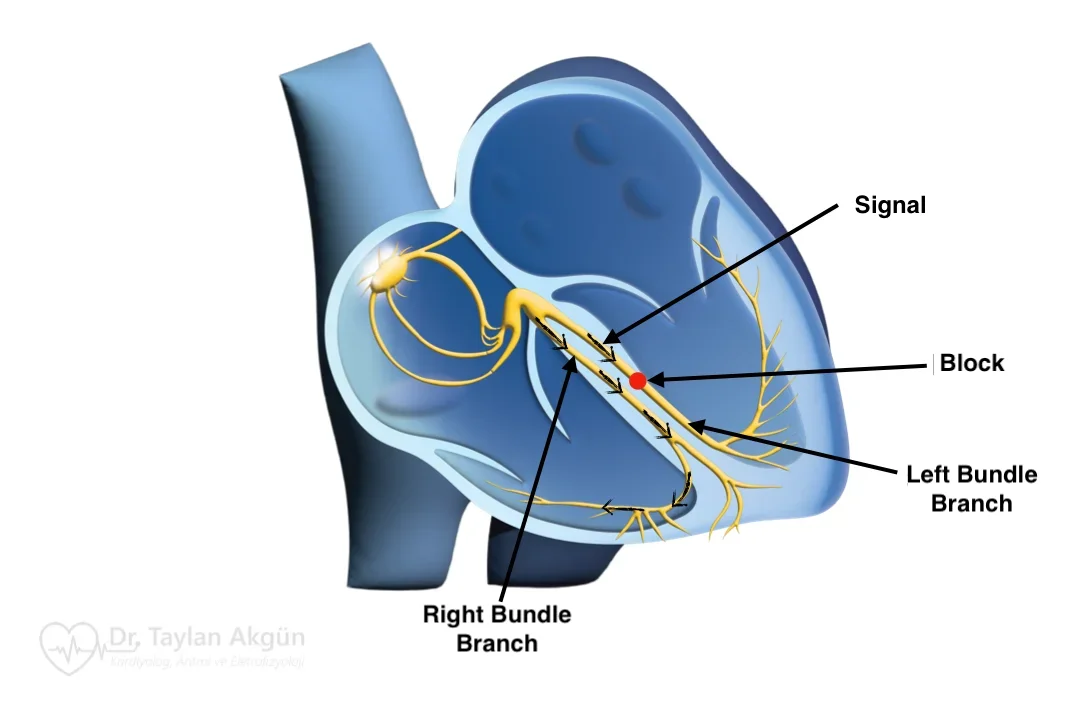
What is left bundle branch block? Left bundle branch block…

Cardiac arrhythmias (heart rhythm disorders) occur when the heart’s electrical conduction system does not function properly, causing the normal rhythm of the heartbeat to be disrupted. This can lead to the heart beating too fast (tachycardia), too slow (bradycardia), or irregularly.
In this section, you can find detailed information about the symptoms, causes, diagnostic methods, and treatment options for atrial fibrillation, supraventricular tachycardia (SVT), ventricular tachycardia, and other heart rhythm disorders.
What is left bundle branch block? Left bundle branch block…
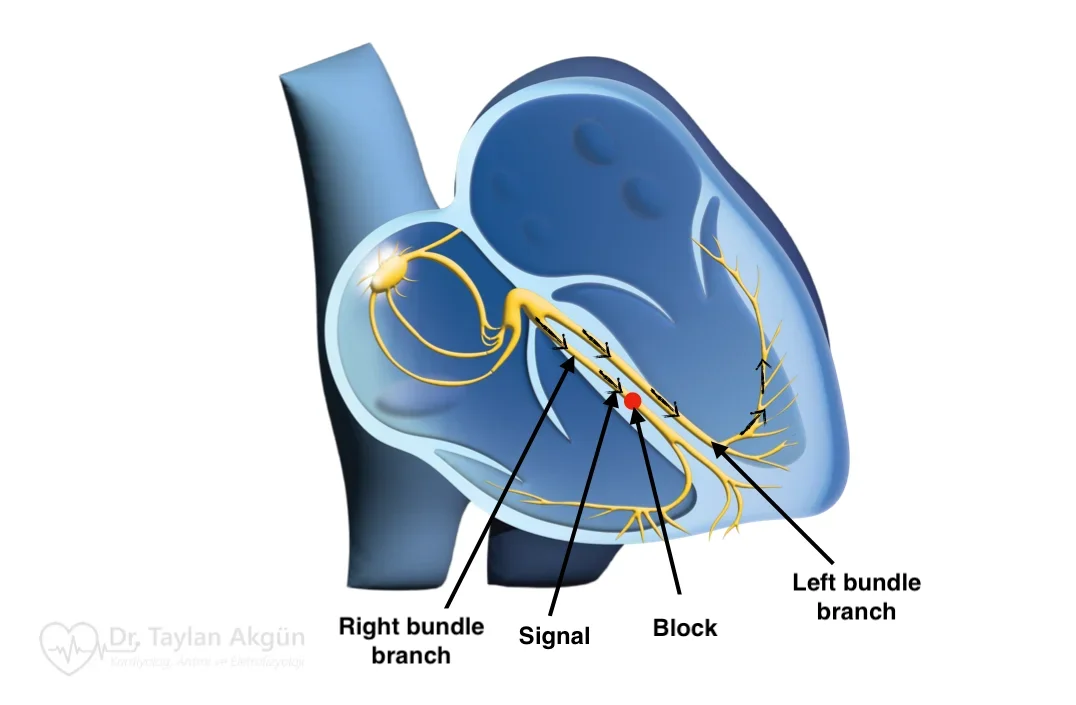
Right bundle branch block: what is it? Right bundle branch…
For many people diagnosed with an arrhythmia, the most difficult…
When people hear the term arrhythmia, many immediately fear that…
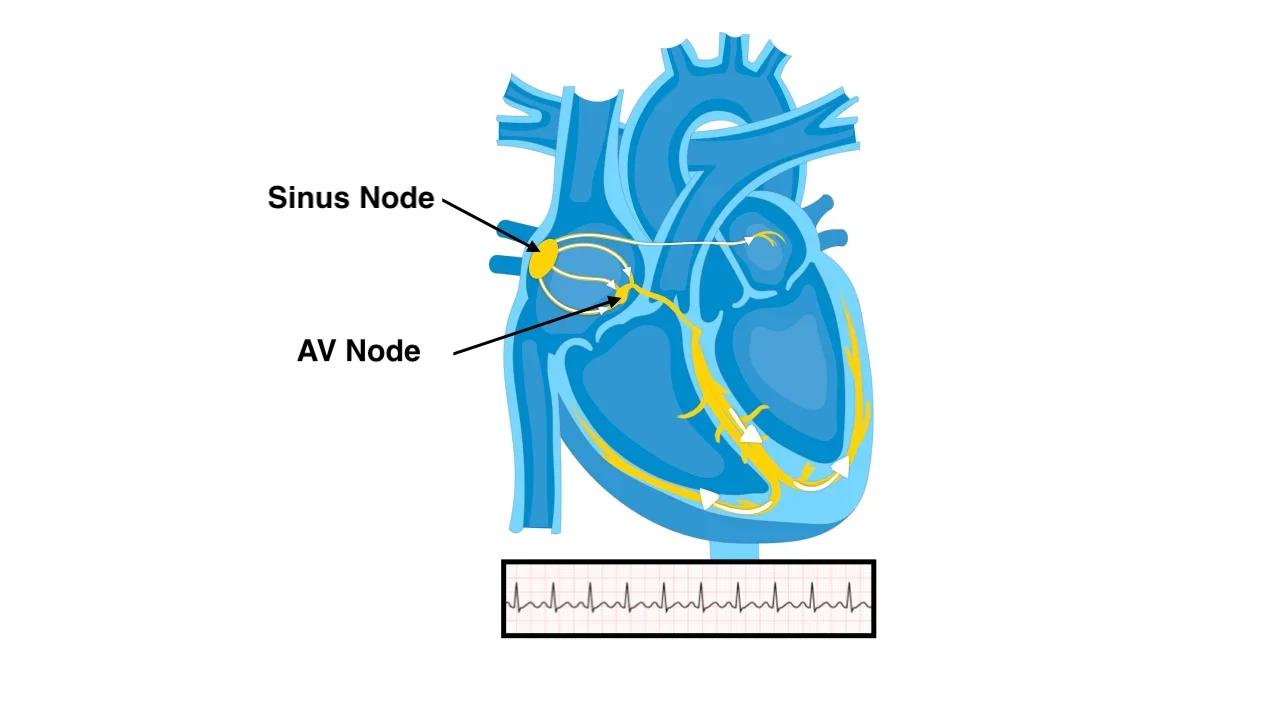
Sinus tachycardia is a condition in which the heart beats…

Ventricular fibrillation, commonly called VFib, is a life-threatening heart rhythm…

AV nodal reentrant tachycardia (AVNRT) is one of the most…

Brugada syndrome is a condition in which, despite the heart…

What is Electrical Heart Disease? Electrical heart disease refers to…

Atrial flutter is a type of arrhythmia in which the…
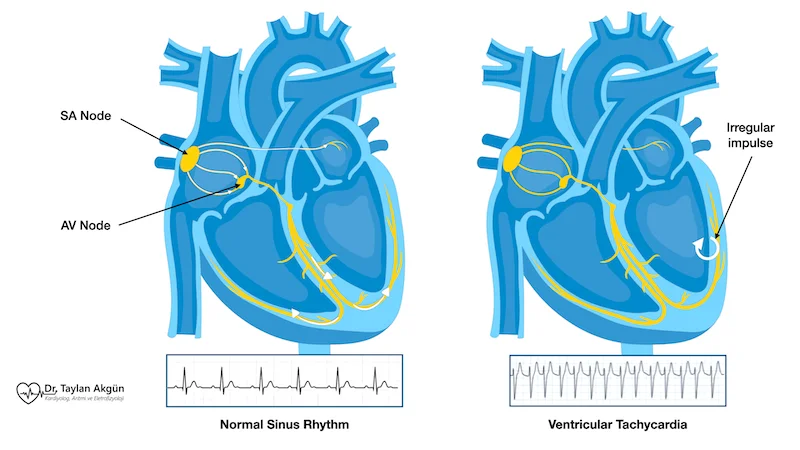
Ventricular tachycardia, often abbreviated as VT, is a fast heart…

Supraventricular tachycardia is a fast heartbeat episode that comes from…