
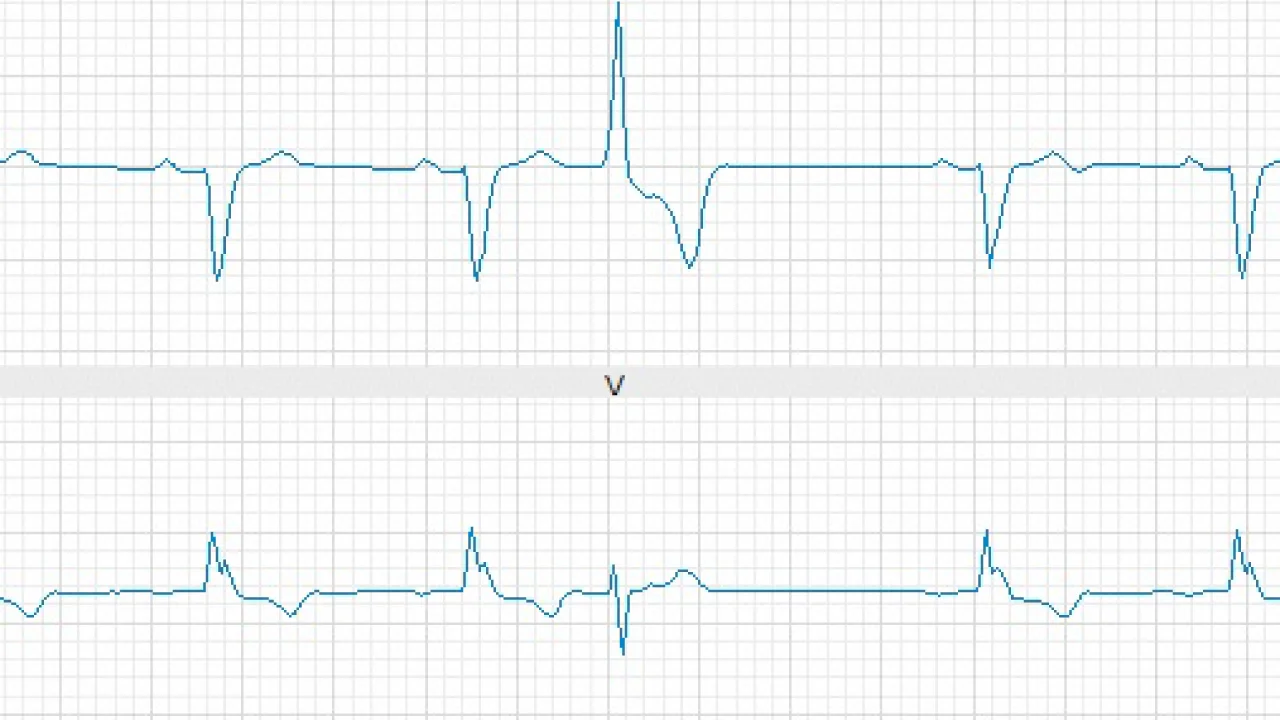
Premature Ventricular Contraction (PVC) Ablation
PVC ablation is a minimally invasive catheter procedure used to eliminate the abnormal electrical focus responsible for premature ventricular contractions.
Premature ventricular contractions (PVCs) are extra heartbeats that start in the lower chambers of the heart, called the ventricles. Many people notice them as a skipped beat, a sudden thump in the chest, or brief fluttering sensations.
Most PVCs are harmless and do not require treatment. However, in some people, PVCs can become frequent or bothersome and may interfere with daily life or heart function. In these cases, PVC ablation can be an effective treatment option.
This page focuses specifically on PVC ablation and explains when it is needed and what to expect from the procedure.
When can PVCs become a problem?
PVCs usually do not cause harm. However, they may require treatment when they are frequent or persistent.
PVCs can become a problem if:
- They cause ongoing palpitations, fatigue, dizziness, or shortness of breath
- They occur very often during the day
- Medications do not control symptoms or cause side effects
- The extra beats weaken the heart muscle over time (PVC-induced cardiomyopathy)
In some patients, frequent PVCs can reduce the heart’s pumping efficiency. Treating the source of the PVCs can relieve symptoms and help the heart recover.
How is the procedure performed?
PVC ablation is a minimally invasive catheter procedure. It is usually performed under local anesthesia with light sedation, so you are comfortable and relaxed during the procedure.
Thin catheters are inserted through a vein or artery, most commonly from the groin, and guided to the heart. Using advanced electrical mapping, the doctor identifies the exact area where the PVCs originate.
Once the source is found, targeted energy is applied to that small area to stop the abnormal electrical signals. The rest of the heart rhythm is not affected.
The procedure typically takes a few hours. Most patients stay in the hospital for observation and are discharged the same day or the following morning.
What is recovery like after PVC ablation?
Recovery after PVC ablation is usually smooth and relatively quick.
After the procedure:
- Mild soreness or bruising at the catheter site is common
- Most patients can return to normal daily activities within a few days
- Heavy physical activity may be limited briefly
It is not unusual to feel occasional irregular heartbeats in the first days or weeks. This does not necessarily mean the procedure was unsuccessful and often improves as the heart heals.
How successful is PVC ablation?
When PVCs come from a well-defined and accessible focus, success rates are high – often 80–95%.
In patients with PVC-induced cardiomyopathy, successful ablation can lead to:
- Improvement in heart function
- Reduced fatigue and shortness of breath
- Better quality of life
Success depends on the PVC location, frequency, and underlying heart condition.