
What is obesity?
Obesity is a condition in which an excessive amount of body fat accumulates in the body. It is a strong risk factor for heart disease, diabetes, high blood pressure, certain types of cancer, and many other diseases.
For this reason, obesity is not merely a cosmetic issue. It is a long-term (chronic) health condition that can have lasting effects and lead to many serious diseases.
How is obesity calculated?
The most commonly used method to determine obesity is the body mass index (BMI).
BMI is calculated by dividing your weight (in kilograms) by the square of your height (in meters).
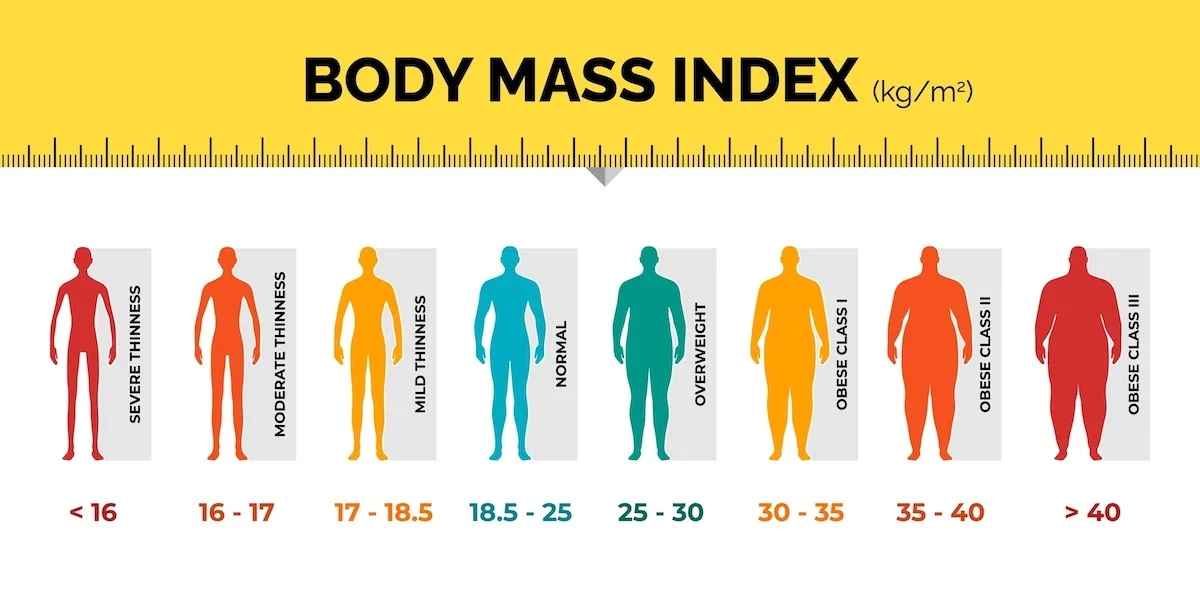
Body mass index categories:
- Below 18.5: Underweight
- 18.5–24.9: Normal weight
- 25–29.9: Overweight
- 30–34.9: Obesity (class I)
- 35–39.9: Obesity (class II)
- 40 and above: Morbid obesity (class III)
BMI alone may not be sufficient. Waist circumference is also an important measurement. A waist circumference above 102 cm in men and above 88 cm in women is associated with increased health risk.
What causes obesity?
Obesity usually develops when energy intake exceeds energy expenditure. However, the causes are much more complex.
- Dietary habits. Excessive calorie intake—especially from high-fat and high-sugar foods, fast food consumption, and large portion sizes—leads to weight gain. Irregular meal times and frequent snacking also make weight gain easier.
- Sedentary lifestyle. Many people today lead inactive lives. Desk-based work, watching television, and prolonged use of computers and smartphones reduce physical activity. As energy expenditure decreases, weight gain becomes more likely.
- Genetic factors. Your genetic makeup may influence your risk of developing obesity. If obesity runs in your family, your risk is higher. However, genetic predisposition alone does not cause obesity; lifestyle factors also play a crucial role.
- Hormonal disorders. Conditions such as an underactive thyroid (hypothyroidism), polycystic ovary syndrome, and Cushing syndrome can promote weight gain.
- Medications. Some medications can cause weight gain. These include certain antidepressants, corticosteroids, diabetes medications, some blood pressure drugs, and antiepileptic medications.
- Psychological factors. Emotional problems such as stress, depression, and anxiety can lead to emotional eating. Some people turn to food as a way of coping with stress.
- Other causes. Sleep deprivation, the period after smoking cessation, the postpartum period, and age-related slowing of metabolism can also make weight gain easier.
What are the health effects of obesity?
Obesity can lead to many serious health problems.
- Heart and blood vessel diseases. Obesity is one of the strongest risk factors for heart disease. Excess weight places additional strain on the heart. The risk of high blood pressure, high cholesterol, arrhythmias, coronary artery disease, heart attack, and stroke increases significantly.
- Type 2 diabetes. Obesity is the most important risk factor for type 2 diabetes. Excess fat tissue increases insulin resistance. Weight loss can significantly reduce the risk of diabetes and, in some cases, may even reverse it.
- Respiratory problems. Excess weight can impair proper lung function. The risk of sleep apnea, asthma, and chronic obstructive pulmonary disease (COPD) increases. Sleep apnea alone increases the risk of heart disease.
- Joint problems. Excess weight places additional stress on the joints, especially the knees and hips. This increases the risk of osteoarthritis and causes joint pain.
- Liver diseases. Obesity can lead to fatty liver disease. If left untreated, this condition may progress to liver cirrhosis and liver failure.
- Cancer. Obesity is a risk factor for certain types of cancer. The risk of breast cancer, colon cancer, pancreatic cancer, kidney cancer, and uterine cancer may increase.
- Reproductive problems. In women, obesity can cause menstrual irregularities, polycystic ovary syndrome, and infertility. In men, sperm quality and reproductive capacity may be negatively affected.
- Mental health. Obesity can lead to depression, anxiety, and low self-esteem. Social isolation and stigma may also occur.
How is obesity treated?
The foundation of obesity treatment is lifestyle modification. In some cases, medication or surgical intervention may be required.
Dietary changes
Healthy and balanced nutrition is the most important step. You should reduce calorie intake while consuming nutrient-dense foods. Portion control, increased consumption of vegetables and fruits, and avoidance of processed foods are essential.
Instead of sudden and extreme restrictions, sustainable changes should be made. Support from a dietitian can be beneficial.
Physical activity
Regular exercise helps with weight loss and improves overall health. You should aim for at least 150 minutes of moderate-intensity or 75 minutes of vigorous-intensity exercise per week.
You can start with simple activities such as walking and gradually increase your activity level. Consistency is the key.
Behavioral change
You should understand your eating habits, triggers, and emotional eating patterns. Psychological support may be helpful. Set realistic goals and celebrate small achievements.
Medication therapy
If lifestyle changes are insufficient and BMI is above 30, or BMI is above 27 with obesity-related health conditions, medication therapy may be considered.
Medications should not be used alone but in combination with dietary changes and exercise. Drug therapy must be supervised by a physician.
Surgical treatment (bariatric surgery)
Surgical treatment may be considered if BMI is above 40, or if BMI is above 35 with serious health conditions. Surgery may be an option when other methods have failed and after careful patient evaluation.
Benefits of weight loss
Even a weight loss of just 5–10% can provide significant health benefits:
- Blood pressure decreases
- Blood sugar levels improve
- Cholesterol levels improve
- Risk of heart disease decreases
- Joint pain is reduced
- Sleep quality improves
- Energy levels increase
- Mental health improves
Tips for healthy weight loss
- Set realistic goals; a weight loss of 2–4 kg per month is healthy
- Avoid starvation diets, as they are unsustainable and unhealthy
- Eat regular meals; skipping meals makes weight loss more difficult
- Drink plenty of water, at least 8–10 glasses per day
- Consume adequate protein to prevent muscle loss
- Eat fiber-rich foods to increase satiety
- Eat slowly; the feeling of fullness is delayed
- Manage stress, as stress can lead to emotional eating
- Get enough sleep; sleep deprivation promotes weight gain
- Be patient; healthy weight loss takes time
When should you see a doctor if you are overweight?
You should consult a doctor in the following situations:
- If your BMI is above 30
- If your BMI is above 27 and you have obesity-related health problems
- If you are unable to lose weight on your own
- If you experience rapid and unexplained weight gain
- If obesity-related health problems have developed
Your doctor will help create the most appropriate treatment plan for you.
Reference: Obesity