
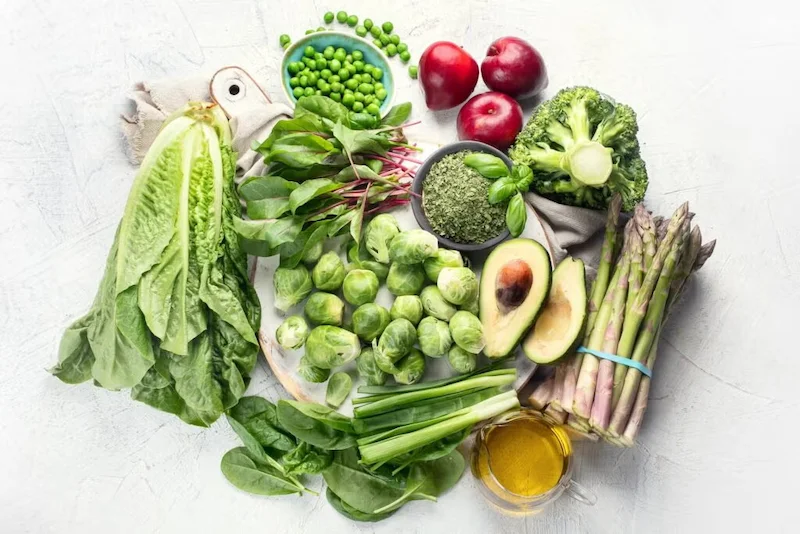
Vitamin K is an essential vitamin required for blood clotting, bone health, and the maintenance of vascular structure. Deficiency can lead to easy bruising, prolonged bleeding, and bone weakness. In most people, adequate levels can be achieved through a balanced diet, but supplementation may be necessary in certain situations.
What is vitamin K?
Vitamin K is an essential vitamin that plays a key role in activating clotting factors in the body and also contributes to bone metabolism. Without vitamin K, the blood clotting mechanism cannot function properly.
There are two main forms: K1 (phylloquinone) and K2 (menaquinone). Vitamin K1 is mainly found in green leafy vegetables and is primarily involved in the clotting system. Vitamin K2 is produced by intestinal bacteria and has a greater impact on bone and vascular health.
What does vitamin K do?
The most well-known function of vitamin K is enabling blood clotting. Certain clotting factors produced in the liver require vitamin K to become active. This allows bleeding to be controlled after injury.
In addition, vitamin K helps calcium to be deposited in the correct locations within bones. It increases bone density and reduces the risk of osteoporosis. At the same time, it may protect against vascular calcification by preventing calcium from accumulating in the vessel walls.
Causes of vitamin K deficiency
Vitamin K deficiency most commonly develops due to inadequate nutrition, long-term antibiotic use, diseases of the bile ducts or intestines, or conditions that impair fat absorption.
In newborns, vitamin K deficiency is more common because the intestinal flora has not yet developed. For this reason, vitamin K injections are routinely given after birth.
Prolonged use of broad-spectrum antibiotics can suppress intestinal bacteria and reduce vitamin K2 production. In addition, celiac disease, Crohn’s disease, and liver disorders that impair bile flow can lead to malabsorption.
Symptoms of vitamin K deficiency
The most typical signs of vitamin K deficiency are easy bruising and prolonged bleeding. Gum bleeding, nosebleeds, and delayed bleeding even from minor cuts are common.
In more advanced deficiency, the risk of internal bleeding increases. Over the long term, reduced bone mineral density can lead to osteoporosis and an increased risk of fractures.
In infants, vitamin K deficiency can cause life-threatening conditions characterized by severe intracranial bleeding.
Foods rich in vitamin K
Green leafy vegetables are the richest sources of vitamin K. Spinach, broccoli, cabbage, lettuce, arugula, and parsley are among the main sources.
Vitamin K2 is more abundant in fermented foods and animal products. Natto (fermented soybeans), certain cheeses, egg yolk, liver, and butter are good sources of K2.
Vitamin K deficiency is rare in individuals who consume a balanced and varied diet.
Is vitamin K supplementation necessary?
Most individuals who eat a healthy and balanced diet do not need vitamin K supplementation. However, supplementation may be considered in people with malabsorption, long-term antibiotic use, advanced age, or increased risk of osteoporosis.
Supplementation should only be taken under medical supervision. Vitamin K intake must be carefully managed, especially in patients using blood-thinning medications.
Relationship between vitamin K and blood thinners
Vitamin K antagonists such as warfarin work by inhibiting vitamin K in the clotting system. Therefore, patients using these medications must maintain a consistent and stable daily intake of vitamin K.
Sudden or excessive intake of vitamin K can reduce the effectiveness of the medication and increase the risk of clot formation. For this reason, abrupt changes in green vegetable consumption should be avoided.
New-generation blood thinners (the DOAC group) do not directly interact with vitamin K.
Is excess vitamin K harmful?
Excessive vitamin K intake from food generally does not cause problems. However, high-dose supplements can lead to significant imbalance, particularly in patients taking blood thinners.
Although rare, some individuals may experience allergic reactions or gastrointestinal symptoms.
Reference: Vitamin K