
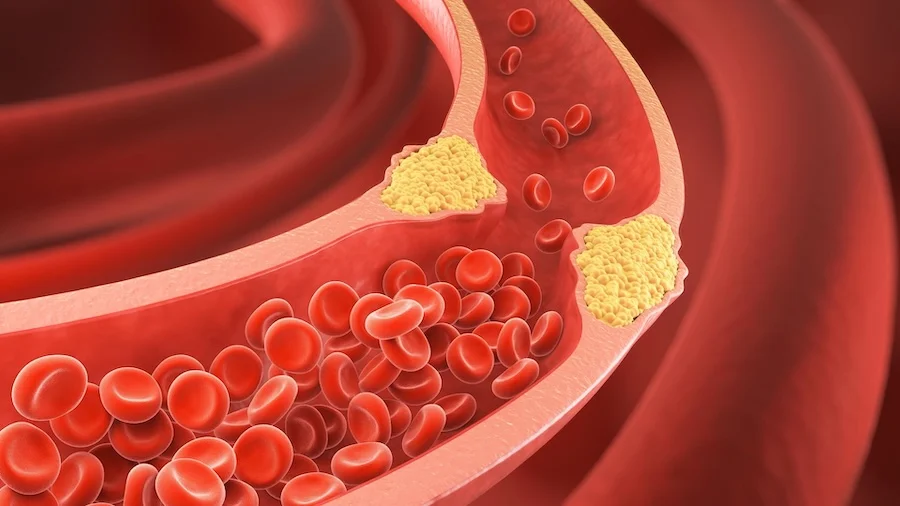
Triglycerides are an important type of fat found in the blood. Elevated levels increase the risk of heart attack, stroke, and pancreatitis. The most effective treatment includes healthy nutrition, weight control, and regular exercise. Medication may be used when necessary.
- What are triglycerides?
- What causes high triglycerides?
- What are the symptoms of high triglycerides?
- What are the risks of high triglycerides?
- What should triglyceride levels be?
- What is low triglyceride level?
- How can triglycerides be lowered?
- When are medications needed to lower triglycerides?
- How is triglyceride testing performed?
- What is the difference between triglycerides and cholesterol?
- What is the relationship between triglycerides and pancreatitis?
- If your triglycerides are high, see a doctor
What are triglycerides?
Triglycerides are molecules the body uses to store excess calories in the form of fat. Fats consumed through food and especially excess carbohydrates are converted into triglycerides in the liver, released into the bloodstream, and stored in fat tissue. When the body needs energy, these stores are used as a fuel source.
A temporary rise in triglyceride levels after meals is normal. However, persistently high levels measured during fasting indicate a disruption in metabolic balance.
What causes high triglycerides?
The most common cause of high triglyceride levels is modern lifestyle and dietary habits. Excess calorie intake, diets high in sugar and refined carbohydrates, physical inactivity, and weight gain rapidly increase triglyceride levels.
Foods that raise triglycerides most quickly include sugar, sweets, white bread, pastries, pasta, rice, and sugary soft drinks.
In addition, diabetes, insulin resistance, insufficient thyroid hormone levels, kidney disease, fatty liver disease, excessive alcohol consumption, and certain genetic predispositions can also lead to elevated triglycerides.
What are the symptoms of high triglycerides?
When triglyceride levels become very high, abdominal pain, nausea, and vomiting may occur. This can be a warning sign of pancreatitis. With long-term elevation, fatty liver disease and features of metabolic syndrome may develop.
It is important to note that in most people, high triglyceride levels cause no symptoms and are usually detected incidentally during routine blood tests.
What are the risks of high triglycerides?
High triglyceride levels accelerate the development of atherosclerosis by increasing inflammation within the vessel wall. This significantly raises the risk of heart attack and stroke.
They also increase insulin resistance, facilitating the development of diabetes and contributing to fatty liver disease.
When triglyceride levels are extremely high, the risk of acute pancreatitis emerges. This is a life-threatening condition that requires urgent medical treatment.
What should triglyceride levels be?
In healthy individuals, fasting triglyceride levels are expected to be below 150 mg/dL. Values above this threshold are important in terms of cardiovascular risk.
Triglyceride levels above 500 mg/dL pose a serious risk not only for heart attack but also for acute pancreatitis.
What is low triglyceride level?
Low triglyceride levels are defined as values below 50 mg/dL. In most cases, this does not indicate a serious health problem and usually does not require treatment.
Triglyceride levels between 50 and 150 mg/dL are considered normal.
Low triglyceride levels most commonly occur after very low-calorie diets, prolonged fasting, rapid weight loss, intense exercise, and healthy lifestyle changes. They may also be seen in hyperthyroidism, malabsorption disorders, and some chronic diseases.
In most people, low triglyceride levels cause no symptoms and are even considered metabolically favorable. However, very low levels below 30 mg/dL should be evaluated for an underlying condition.
How can triglycerides be lowered?
The most effective approach to lowering triglycerides is lifestyle modification. Improving diet, achieving weight control, and engaging in regular physical activity can lead to significant reductions in triglyceride levels.
Restricting sugar and refined carbohydrates is the most powerful step in triglyceride control. Even a 5–10% reduction in body weight can result in meaningful decreases in triglyceride levels.
Regular brisk walking, aerobic exercise several days per week, and limiting alcohol consumption form the cornerstone of treatment.
When are medications needed to lower triglycerides?
Medication therapy is considered in individuals whose triglyceride levels remain high despite lifestyle changes, who have increased cardiovascular risk, or who are at risk for pancreatitis.
The choice of medication is individualized based on overall risk profile and coexisting conditions.
How is triglyceride testing performed?
Triglyceride levels must be measured in the fasting state. Measurements taken after at least 8–12 hours of fasting reflect true values. Non-fasting tests may lead to falsely elevated results.
What is the difference between triglycerides and cholesterol?
Cholesterol is essential for cell structure and hormone synthesis, whereas triglycerides primarily serve as an energy storage molecule.
Cholesterol mainly contributes to plaque formation in vessel walls, while triglycerides promote metabolic disturbances and vascular inflammation. Therefore, assessing cholesterol levels alone is not sufficient. Even if cholesterol levels are normal, elevated triglycerides indicate increased cardiovascular risk.
What is the relationship between triglycerides and pancreatitis?
When triglyceride levels exceed 500 mg/dL, the risk of pancreatic inflammation (acute pancreatitis) increases significantly. This condition presents with severe abdominal pain, vomiting, and general deterioration and usually requires hospitalization.
If your triglycerides are high, see a doctor
Individuals with triglyceride levels above 200 mg/dL, a family history of early heart attack, diabetes, or obesity should undergo cardiologic and metabolic evaluation.
If symptoms such as abdominal pain, nausea, or vomiting are present, prompt medical attention is essential.
Reference: Triglycerides