Hypotension refers to abnormally low blood pressure, meaning that the force of blood flowing through the arteries is insufficient to adequately supply organs such as the brain, heart, and kidneys. Unlike high blood pressure, hypotension is defined not only by numbers, but also by symptoms and clinical context.
In many people, low blood pressure causes no problems. In others, it can lead to dizziness, fainting, or even shock, depending on the underlying cause and how suddenly it develops.
What Is Considered Low Blood Pressure?
Blood pressure is generally considered low when readings are below 90/60 mmHg.
However, these values alone do not determine whether hypotension is dangerous.
Some individuals naturally have low blood pressure and feel perfectly well. In contrast, a sudden drop in blood pressure—even if values are not extremely low—can cause significant symptoms and requires evaluation.
How Hypotension Affects the Body
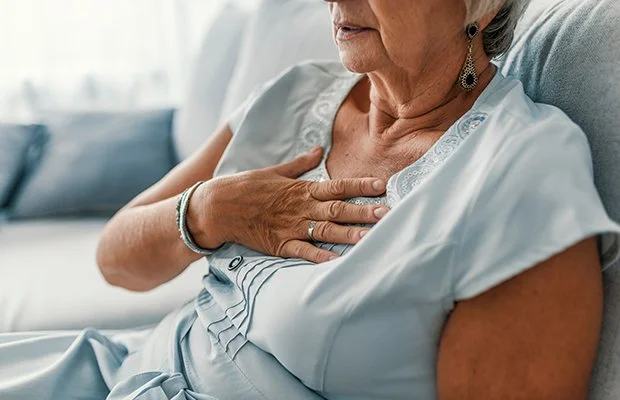
When blood pressure falls too low, organs may not receive enough oxygen-rich blood. The brain is particularly sensitive to reduced blood flow, which explains why dizziness, blurred vision, or fainting are common symptoms.
If hypotension is severe or prolonged, it can impair heart, kidney, or brain function and become life-threatening.
Common Types of Hypotension
Orthostatic (Postural) Hypotension
This form occurs when blood pressure drops upon standing up from a sitting or lying position. It is caused by delayed or inadequate adjustment of blood flow and is common in older adults or people taking certain medications.
Neurally Mediated (Reflex) Hypotension
This type results from abnormal reflexes between the heart and brain, leading to sudden drops in blood pressure. It may occur after standing for long periods, emotional stress, or pain.
Severe or Acute Hypotension
This form develops rapidly and may be caused by dehydration, blood loss, severe infection, allergic reactions, or heart problems. It is a medical emergency.
Symptoms of Hypotension
Symptoms vary depending on severity and cause.
Common symptoms include:
- Dizziness or lightheadedness
- Blurred vision
- Fatigue or weakness
- Nausea
- Fainting (syncope)
- Confusion, especially in older adults
Severe hypotension may cause cold, clammy skin, rapid breathing, or loss of consciousness.
Causes of Hypotension
Low blood pressure can occur for many different reasons, and identifying the underlying cause is essential to determine whether hypotension is harmless or requires treatment.
One of the most common causes is dehydration, which reduces blood volume and limits the body’s ability to maintain adequate blood pressure. This may occur due to insufficient fluid intake, excessive sweating, vomiting, diarrhea, or fever.
Medications are another frequent cause. Drugs used to treat high blood pressure, heart disease, depression, or prostate conditions can lower blood pressure excessively, particularly when doses are adjusted or combined.
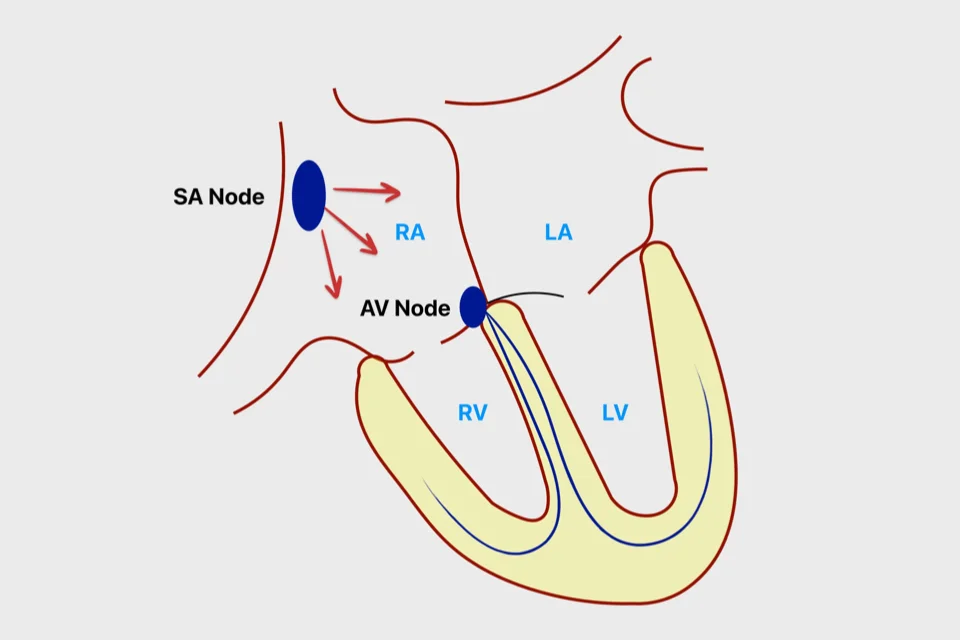
Certain heart conditions can also lead to hypotension. Abnormally slow or fast heart rhythms, heart failure, or valve disease may impair the heart’s ability to pump enough blood to maintain normal pressure.
Hormonal and metabolic disorders, such as adrenal insufficiency or thyroid disease, can interfere with blood pressure regulation. Similarly, disorders of the nervous system may disrupt the normal reflexes that stabilize blood pressure when standing.
In some individuals, hypotension occurs in response to specific triggers such as prolonged standing, emotional stress, pain, or sudden changes in posture. This reflex-related form of low blood pressure is common and often benign but may still cause fainting or injury.
How Hypotension Is Diagnosed
Diagnosis involves blood pressure measurement, symptom assessment, and evaluation of underlying causes.
Blood pressure may be measured in different positions (lying, sitting, and standing) to detect orthostatic changes. Additional tests may include blood tests, heart rhythm monitoring, or imaging studies, depending on clinical suspicion.
Treatment Options for Hypotension
Treatment of hypotension depends entirely on the cause, severity, and presence of symptoms. Not all low blood pressure requires treatment, especially when individuals feel well and organ perfusion is adequate.
Lifestyle and Non-Medical Measures
For many people with mild or occasional symptoms, simple lifestyle measures are sufficient. Adequate fluid intake is essential, and increasing water consumption can significantly improve symptoms in dehydration-related hypotension.
Standing up slowly, avoiding prolonged standing, and recognizing early warning signs such as dizziness can help prevent fainting. In selected patients, compression stockings may be recommended to improve blood flow from the legs back to the heart.
Dietary adjustments, including modest increases in salt intake, may be advised in carefully selected individuals under medical supervision.
Medication Review and Adjustment
When hypotension is related to medications, treatment focuses on reviewing and adjusting current therapy. This may involve dose reduction, timing changes, or substitution with alternative drugs.
Medication changes should never be made without medical guidance, as abrupt discontinuation may worsen the underlying condition being treated.
Medical Therapy for Symptomatic Hypotension
In patients with persistent or disabling symptoms, medications may be prescribed to help support blood pressure and improve circulation. These treatments are typically reserved for individuals whose symptoms do not respond to lifestyle measures alone.
The goal of medical therapy is symptom relief and prevention of complications, not simply raising blood pressure numbers.
Emergency Treatment
Severe hypotension caused by blood loss, severe infection, allergic reactions, or cardiac conditions is a medical emergency. Treatment in these cases focuses on rapid stabilization, often requiring intravenous fluids, medications, and treatment of the underlying cause in a hospital setting.
When to Seek Medical Attention
Persistent dizziness, fainting, confusion, or symptoms occurring after a sudden drop in blood pressure should prompt medical evaluation. Emergency care is required if hypotension is accompanied by chest pain, shortness of breath, or signs of shock.
In Summary
Low blood pressure has many possible causes, ranging from dehydration and medications to heart and nervous system disorders. Treatment is guided by symptoms and underlying cause rather than blood pressure numbers alone. While many cases are benign, persistent or symptomatic hypotension requires careful evaluation to ensure safe and effective management.
Reference: Hypotension