
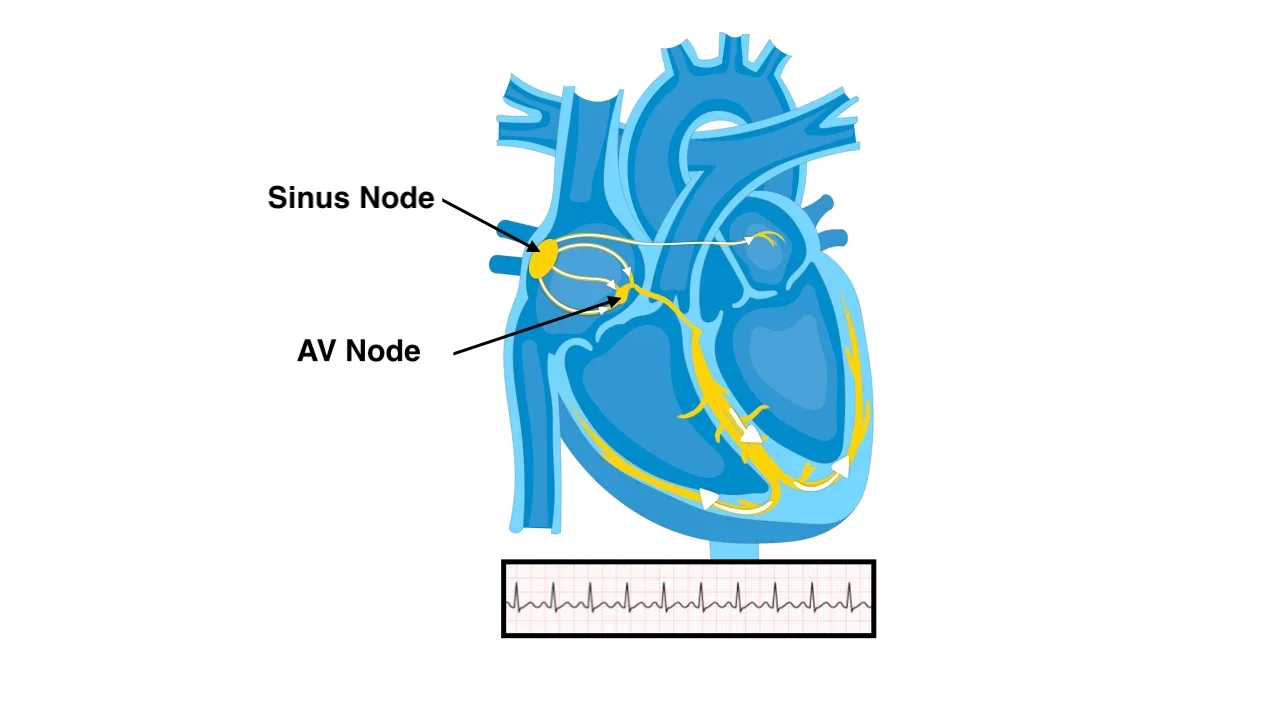
When people hear the term arrhythmia, many immediately fear that the heart may suddenly stop or that they are at serious risk. In reality, arrhythmias are not all the same. Some are completely benign, some can be fully eliminated with appropriate treatment, some can be kept under control, and others require careful monitoring under certain conditions.
Common premature beats encountered in daily life (PVCs and PACs) can be seen in many healthy individuals and usually do not pose a serious risk. Similarly, sinus tachycardia may represent a normal physiological response to stress, fatigue, or excitement.
In contrast, arrhythmias such as supraventricular tachycardia (SVT) and atrial fibrillation (AFib) can often be eliminated or effectively controlled in most patients with accurate diagnosis and appropriate treatment.
More rarely, ventricular tachycardia (VT or VFib) and certain advanced arrhythmias require closer follow-up, especially in individuals with underlying heart disease. The level of risk must always be evaluated together with the heart’s structure and the person’s overall health status.
For this reason, what matters most in arrhythmias is not the name itself, but the circumstances under which they occur, how often they appear, and how they affect the body. Below, we discuss what people diagnosed with arrhythmias should pay attention to in daily life.
Living with arrhythmias: what to pay attention to
If you have been diagnosed with a cardiac arrhythmia, the most important steps are taking your medications regularly, avoiding triggers such as caffeine, alcohol, and smoking, managing stress, and following the activity limits recommended by your doctor. Monitor your pulse and seek medical advice promptly if you experience sudden palpitations, near-fainting, or shortness of breath.
Take your medications correctly
- Never stop or change the dose of prescribed antiarrhythmic drugs, blood thinners, or beta blockers on your own.
- If you have difficulty remembering morning and evening doses, set reminders on your phone.
- Always consult your cardiologist before starting a new medication, including cold remedies, painkillers, herbal supplements, or reflux medications.
Identify and avoid triggers
In many patients, specific factors can trigger or worsen arrhythmias.
Common triggers include:
- Excessive caffeine (coffee, tea, energy drinks, strong tea, chocolate, cocoa)
- Alcohol (especially large amounts at once)
- Cigarettes and electronic cigarettes (nicotine significantly disrupts rhythm)
- Stress, sudden anger, intense anxiety
- Sleep deprivation and irregular sleep patterns
- Excessive heat (sauna, steam baths, very hot showers, prolonged exposure to high temperatures)
- Overeating, especially heavy, fatty, or spicy meals
- Cold stimuli in some individuals (drinking very cold water or splashing cold water on the face)
Cold triggers: In some people, sudden exposure to cold (splashing cold water on the face, drinking ice-cold water, eating ice cream, swallowing very cold food) can stimulate the vagus nerve. This stimulation may cause sudden acceleration of the heart (vagal tachycardia or SVT episodes) in some individuals, while in others it may have the opposite effect and lead to a sudden slowing of the heart rate.
Physical activity and exercise
If you have an arrhythmia, stay within the physical activity limits recommended by your doctor.
- Sudden, very intense exercise (heavy lifting, sprinting) is generally discouraged.
- Regular, moderate activities such as walking, light cycling, swimming, and yoga are beneficial for most patients.
- If you experience chest pain, severe shortness of breath, dizziness, or near-fainting during exercise, stop immediately and inform your doctor.
Monitor your pulse and symptoms
Develop the habit of checking your pulse at home, either with a smartwatch or by manually counting your pulse.
Contact your doctor if:
- Your heart rate is very slow (below 40–45 beats per minute) or very fast (above 110–120 beats per minute at rest)
- Palpitation episodes become more frequent or last longer
- You experience fainting or near-fainting
- You have chest pain or a feeling of pressure
- Shortness of breath increases
If you are using blood thinners
Blood thinners are commonly used in arrhythmias with a high risk of clot formation, such as atrial fibrillation and atrial flutter. If you are using anticoagulants (warfarin, apixaban, rivaroxaban, dabigatran, etc.), keep the following in mind:
- Consult your doctor before taking new painkillers, especially ibuprofen, naproxen, or diclofenac
- Always inform healthcare providers before dental extractions or minor surgical procedures
- Seek urgent care if you notice excessive bruising, nosebleeds, black stools, or blood in the urine
Know the warning signs
Seek immediate medical attention if you experience:
- Severe palpitations with chest pain or pressure
- Fainting or near-fainting
- Confusion, speech difficulties, or sudden weakness (possible signs of stroke)
- A very irregular and fast heart rate accompanied by shortness of breath and low blood pressure
- A very slow heart rate accompanied by dizziness and cold sweating
In these situations, call emergency services or go to the nearest emergency department without delay.
General lifestyle recommendations
- Drink enough fluids (approximately 1.5–2.5 liters per day unless otherwise advised by your doctor)
- Follow salt restriction if recommended
- If you are overweight, gradual and healthy weight loss can improve rhythm control
- Maintain regular sleep schedules
- Stress management techniques such as breathing exercises, meditation, or light walking can be helpful
Each patient’s type and severity of arrhythmia are different, and not all of the above recommendations may apply to everyone. The most accurate guidance is always the advice given specifically to you by your physician.
If your symptoms change or if you have any concerns, do not hesitate to contact your doctor.
Reference: https://pmc.ncbi.nlm.nih.gov/articles/PMC11381938/