
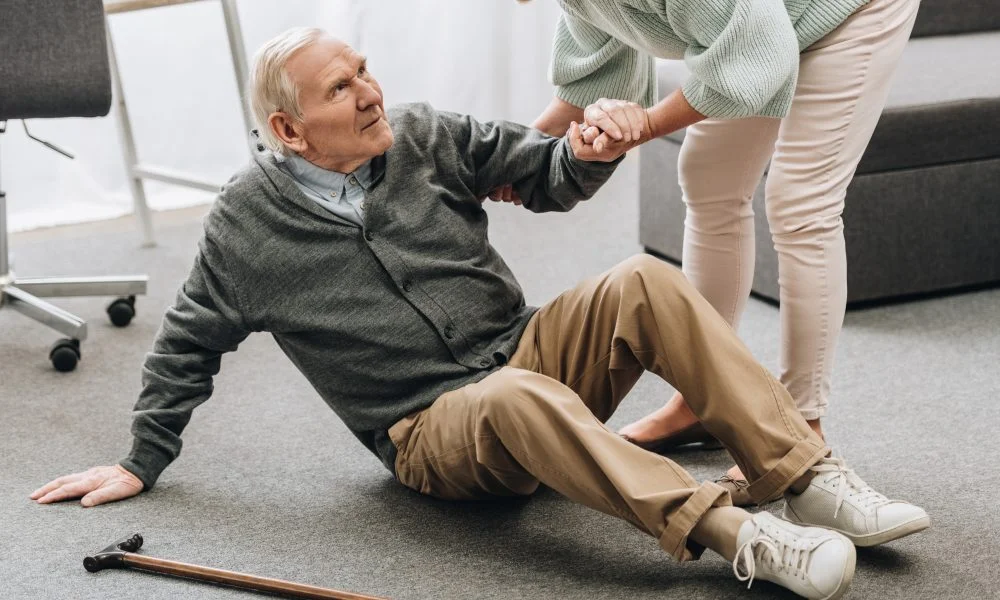
Orthostatic hypotension is a sudden drop in blood pressure when you stand up from sitting or lying down. It can cause dizziness, lightheadedness, and sometimes fainting.
When you stand up, gravity pulls blood toward your legs. Normally, your body quickly compensates – blood vessels tighten, heart rate increases, and blood pressure stays stable.
In orthostatic hypotension, this automatic adjustment is slower or insufficient. Blood pressure drops, less blood reaches your brain, and you may feel dizzy or faint.
What are the symptoms of orthostatic hypotension?
Symptoms usually occur immediately or within a few minutes after standing:
- Dizziness or lightheadedness
- Blurred or darkened vision
- Feeling unsteady
- Weakness
- Fainting or near-fainting
- Headache
- Ringing in the ears
Symptoms often improve quickly when you sit or lie down again.
When should you see a doctor?
Occasional mild dizziness can happen. However, you should seek medical advice if:
- Symptoms happen frequently
- You faint when standing up
- You fall or injure yourself
- Daily activities are affected
- Chest pain occurs
- You have shortness of breath
What causes orthostatic hypotension?
Common causes include:
- Dehydration (low fluid intake, sweating, vomiting, or diarrhea)
- Heart conditions (heart failure, arrhythmias, valve disease)
- Nervous system disorders (Parkinson’s disease, diabetic neuropathy)
- Medications (blood pressure drugs, heart medications, antidepressants, diuretics)
- Prolonged bed rest
- Aging
- Pregnancy
- Alcohol use
How is orthostatic hypotension diagnosed?
Your doctor will review your history and perform a physical exam. Blood pressure is measured while lying down, sitting, and standing.
Orthostatic hypotension is typically diagnosed if within 3 minutes of standing:
- Systolic blood pressure drops by ≥20 mmHg, or
- Diastolic blood pressure drops by ≥10 mmHg.
Additional tests may include:
- Blood tests (anemia, glucose, electrolytes)
- ECG (heart rhythm assessment)
- Echocardiography
- Tilt-table testing
- Holter monitoring
The goal is to identify underlying causes and rule out serious conditions.
How is orthostatic hypotension treated?
Treatment depends on the underlying cause and may include lifestyle changes and medication.
Helpful measures include:
- Drink plenty of fluids (usually 2–3 liters daily if appropriate)
- Increase salt intake if your doctor recommends it
- Eat smaller, frequent meals
- Stand up slowly
- Tighten leg and abdominal muscles before standing
- Sleep with your head slightly elevated
- Wear compression stockings
If lifestyle changes are not enough, medications may be prescribed or existing drugs adjusted.
What complications can occur?
Untreated orthostatic hypotension may lead to:
- Falls and fractures
- Head injuries
- Fainting while driving
- Increased stroke risk (especially in older adults)
- Reduced quality of life
Regular follow-up is important.
Living with orthostatic hypotension
Practical tips:
- Sit briefly before standing up
- Avoid sudden movements, especially in the morning
- Avoid prolonged standing
- Prefer lukewarm showers instead of hot ones
- Avoid heavy exercise unless advised
- Sit down immediately if dizzy
- Limit alcohol and caffeine
- Make your home safer to prevent falls (good lighting, grab bars, non-slip surfaces)
Reference: Orthostatic hypotension