
What is pulse?
Pulse refers to how many times the heart beats per minute. In adults, a normal resting heart rate ranges between 60 and 100 beats per minute. In athletes, the resting pulse may be between 40 and 60 beats per minute. A lower resting heart rate is usually a sign of good physical fitness. A pulse rate of 50–60 beats per minute can be normal in healthy and physically active individuals, indicating that the heart is strong and works efficiently.
Exercise, stress, or fever can cause temporary tachycardia. However, persistent tachycardia or bradycardia may be a sign of serious conditions such as heart rhythm disorders, thyroid disease, or heart failure. Pulse irregularities may indicate problems such as atrial fibrillation or heart block. An irregular pulse accompanied by fainting, chest pain, or shortness of breath can be dangerous and may require urgent medical attention.
How is pulse measured?
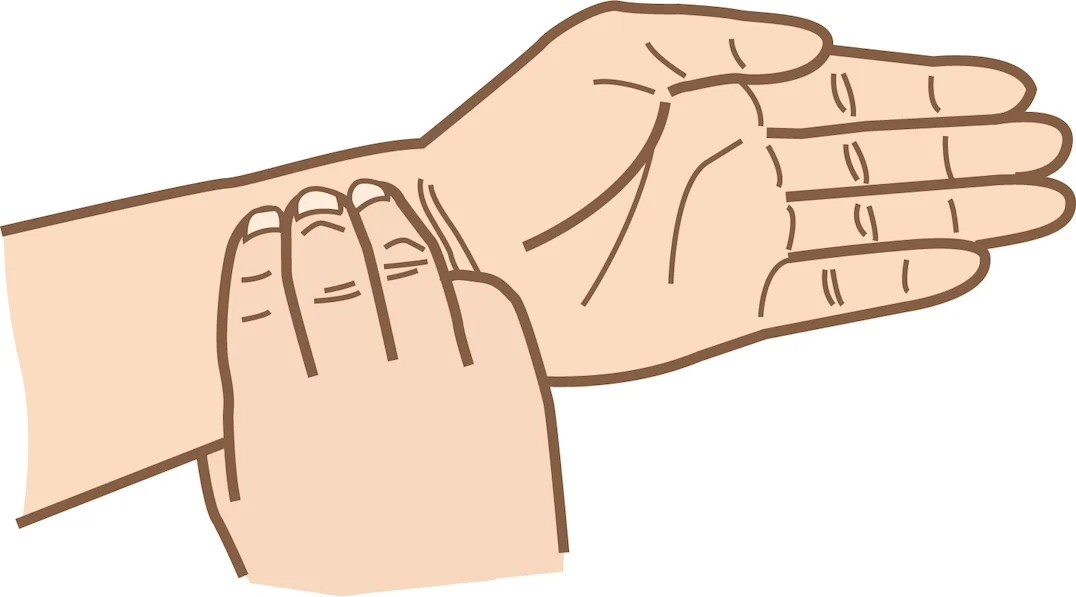
Measuring pulse is a simple and effective way to assess heart health. The easiest location to measure pulse is on the inner side of the wrist, on the thumb side.
To measure your pulse:
- Sit calmly and rest for a few minutes
- Place your index, middle, and ring fingers on the inner side of your wrist
- Press gently until you feel the pulse
- Count the beats for 15 seconds and multiply by four
- Pay attention to whether the rhythm is regular or irregular
Many smartwatches and pulse-monitoring devices also allow easy home pulse tracking. Regular monitoring is especially important for people with heart disease or blood pressure problems.
What is a normal pulse rate?
In adults, a normal resting pulse rate is between 60 and 100 beats per minute. Athletes may have resting pulse rates between 40 and 60 beats per minute. Children naturally have faster pulse rates. Normal values vary by age, physical condition, and overall health.
Normal pulse rates by age:
- Newborns: 120–160 beats/min
- Infants (1–12 months): 80–140 beats/min
- Children (1–10 years): 70–120 beats/min
- Children (over 10 years): 60–100 beats/min
- Adults: 60–100 beats/min
- Older adults: 60–100 beats/min
- Athletes: 40–60 beats/min
In addition to speed, pulse regularity is important. An irregular pulse may indicate a heart rhythm disorder and requires medical evaluation.
Why does pulse increase?
An increase in pulse rate, or a faster heartbeat, may be a normal response to certain situations or a sign of an underlying health condition. Normally, pulse rises when the body needs more oxygen.
Factors that increase pulse rate:
- Physical activity and exercise
- Stress and emotional excitement
- Fever and infections
- Pain
- Dehydration
- Hot weather
- Caffeine, alcohol, or smoking
- Certain medications
- Overactive thyroid gland
- Anemia
- After meals
- Sudden standing
- Heart disease
Most of these cause temporary pulse elevation and are usually not concerning. However, persistent or unexplained high pulse rates may indicate an underlying medical condition.
What do high and low pulse rates mean?
Abnormally fast or slow pulse rates can provide important health information.
A high pulse rate (tachycardia) is defined as a resting heart rate above 100 beats per minute. A low pulse rate (bradycardia) is defined as a resting heart rate below 60 beats per minute.
A high pulse can be a normal response during exercise, as the heart pumps faster to deliver oxygen to muscles. However, a persistently high resting pulse may indicate rhythm disorders, thyroid disease, anemia, or heart failure.
A low pulse rate is common and normal in endurance athletes, whose hearts pump more blood with each beat. In non-athletes, a low pulse accompanied by dizziness, fainting, or fatigue may indicate problems with the heart’s electrical conduction system. Some heart medications can also lower pulse rate.
Pulse regularity is equally important. A completely irregular pulse may suggest atrial fibrillation and requires medical evaluation.
What health problems can cause a high pulse?
Persistent or unexplained high pulse rates may be associated with various medical conditions and should be evaluated by a doctor.
Conditions that can cause high pulse rate:
- Heart rhythm disorders (arrhythmias)
- Anemia
- Overactive thyroid gland
- Heart failure
- Lung diseases
- Shock
- Coronary artery disease
- Infections
- Medication side effects
- Substance use
- Anxiety disorders
- Postural orthostatic tachycardia syndrome
- Electrolyte imbalances (e.g. potassium, magnesium)
High pulse rates are often accompanied by other symptoms depending on the cause.
How can a high pulse be lowered?
If your pulse remains consistently high, simple measures may help. Slow, deep breathing, regular physical activity, and stress management techniques such as meditation or yoga can be beneficial. Reducing caffeine, alcohol, and smoking is important.
Adequate hydration, regular sleep, a healthy diet, and weight control support heart health. If pulse remains high despite these measures, medical evaluation is necessary to identify and treat the underlying cause.
FAQs about pulse
What should my pulse be during exercise?
Target heart rate during exercise depends on age. Maximum heart rate is roughly calculated as 220 minus your age. Moderate-intensity exercise should reach 50–70% of this value, while vigorous exercise should reach 70–85%.
What is pulse pressure?
Pulse pressure is the difference between systolic and diastolic blood pressure. A normal value is about 40 mmHg. Values above 60 mmHg may indicate arterial stiffness or heart valve problems.
Can an irregular pulse be dangerous?
Some irregular pulses are harmless, but if irregularity is accompanied by chest pain, shortness of breath, or fainting, it may indicate a serious condition.
Is there a relationship between pulse and breathing?
Yes. In adults, normal breathing rate is 12–20 breaths per minute and is usually about one-quarter of the pulse rate. Both increase during exercise, stress, or illness.
What if my blood pressure is normal but my pulse is high?
A persistently high pulse with normal blood pressure may be related to anemia, thyroid problems, or stress and may require further evaluation.
Are smartwatches accurate for measuring pulse?
Smartwatches and fitness trackers generally provide acceptable pulse measurements but are not as accurate as medical devices. For serious heart conditions, medical-grade monitoring is more reliable.
How can I measure my child’s pulse?
Pulse measurement in children is similar to adults, but movement may make it harder. Measuring while the child is calm or asleep gives more accurate results.
Why do athletes have a low pulse?
Regular endurance training strengthens the heart muscle, allowing it to pump more blood with each beat. This results in a lower resting pulse, known as “athlete’s heart,” which is usually healthy.
When is pulse rate dangerous?
In athletes, pulse rates around 40 beats per minute may be normal if no symptoms are present. However, low pulse with dizziness, fainting, fatigue, or shortness of breath may indicate inadequate oxygen delivery and can be dangerous.
When should medical help be sought?
Medical evaluation is needed if resting pulse is persistently above 100 or below 40 beats per minute, if the pulse is irregular, or if pulse changes are accompanied by chest pain, shortness of breath, dizziness, or fainting.
Does pulse change during pregnancy?
Yes. During pregnancy, hormonal changes and increased blood volume usually raise resting pulse by 10–15 beats per minute. This is generally normal.
Reference: Pulse