
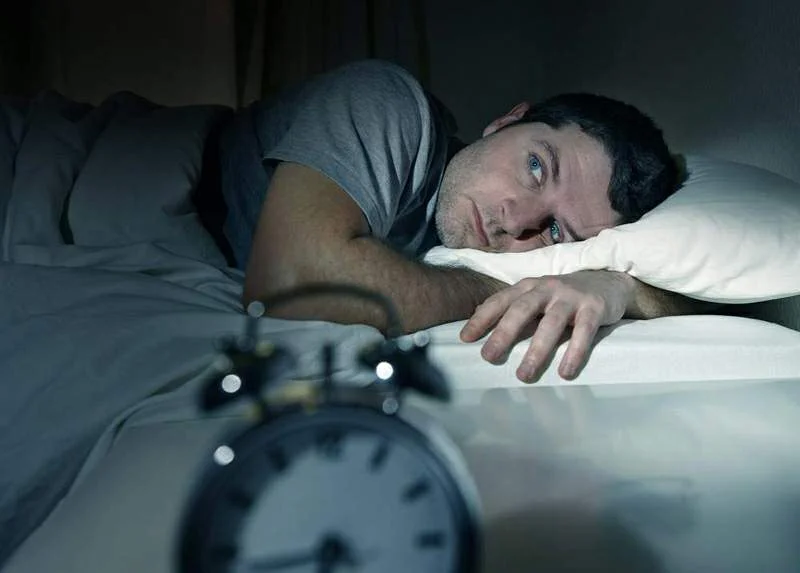
Heart palpitations when lying down
Heart palpitations that begin when lying down refer to the sensation of feeling the heartbeat as fast, strong, or irregular after moving into a lying position. This sensation may sometimes be caused by a true arrhythmia, but in many cases it results from increased awareness of normal heartbeats.
During the day, movement, environmental noise, and distractions make it harder to notice heartbeats. When lying down, silence increases, the body relaxes, and the heart is closer to the chest wall. As a result, even normal heartbeats may be perceived as palpitations.
An important feature of palpitations that start when lying down is their relationship to body position. Changes in posture affect how the heart and blood vessels function. A full stomach after meals may exert pressure on the heart. Anxiety, caffeine, and alcohol can act as triggers. For this reason, the timing, duration, and accompanying symptoms of palpitations should be carefully evaluated.
In most cases, this condition is benign and temporary. However, in some individuals, an underlying arrhythmia, gastrointestinal triggers, or autonomic nervous system imbalance may play a role.
Causes of palpitations when lying down
When a person lies down, the balance of the autonomic nervous system changes. The autonomic nervous system controls vital functions such as heart rate, blood pressure, breathing, and digestion without conscious effort. It has two main branches, one of which is the parasympathetic system.
The parasympathetic system promotes rest and relaxation. When lying down, especially at night, this system becomes more dominant. Heart rate tends to slow, and awareness of the heart’s electrical activity increases. In some individuals, this makes premature heartbeats (extrasystoles) that go unnoticed during the day more apparent at night.
These premature beats are usually benign, do not indicate structural heart disease, and are seen in many healthy individuals. However, because the person is quiet and still, the heartbeats are felt more clearly and may be perceived as palpitations.
Gastrointestinal and esophageal factors also play an important role. Heavy meals eaten late in the evening, gastric distension, and reflux can make heartbeats more noticeable through the esophagus, which lies directly behind the heart. This is especially evident when lying on the left side, when palpitations may become more pronounced.
Changes in fluid distribution also contribute. Fluid that accumulates in the legs during the day returns to the circulation when lying down. This increases venous return to the heart and may cause heartbeats to feel stronger. In sensitive individuals, this can enhance the perception of palpitations.
In some people, true arrhythmias may be triggered by lying down. Episodes of supraventricular tachycardia, atrial fibrillation, or frequent premature beats may become more noticeable during rest and nighttime. This is related to changes in autonomic nervous system balance.
How do these palpitations feel?
Some people describe a rapid heartbeat, while others say “my heart is pounding,” “skipping,” or “beating inside my chest.” In some patients, the sensation lasts only a few seconds and resolves spontaneously. In others, it may persist for several minutes.
If palpitations are accompanied by shortness of breath, dizziness, chest pain, or a feeling of fainting, the situation requires more careful evaluation. Palpitations caused purely by increased awareness usually occur without additional symptoms.
Are palpitations when lying down dangerous?
In most cases, they are not dangerous. Short-lasting, infrequent palpitations without accompanying symptoms are usually benign. However, if palpitations become more frequent, occur every night, or impair quality of life, an underlying cause should be investigated.
This complaint should be taken more seriously in individuals with known heart disease, a cardiac pacemaker, a history of arrhythmias, or a family history of sudden cardiac death.
How are palpitations evaluated?
Evaluation begins with a detailed medical history. The time interval between lying down and onset of palpitations, their duration, the position in which they worsen, and what relieves them are all important. Physical examination and a resting electrocardiogram (ECG) are usually the first steps.
Arrhythmias that occur mainly at night may be difficult to capture during daytime testing. For this reason, 24-hour or longer rhythm monitoring plays a crucial role in diagnosis. When necessary, echocardiography is used to assess cardiac structure.
Treatment approach
Treatment is planned according to the underlying cause. If palpitations are due solely to increased awareness of normal heartbeats, treatment is usually not required. Avoiding heavy meals late in the evening, limiting caffeine and alcohol, and adjusting sleep position can reduce symptoms in many patients.
In patients with documented arrhythmias, medications aimed at rhythm control or, in some cases, interventional treatments may be considered. If reflux or gastrointestinal problems are present, therapies that reduce stomach acid can significantly decrease the perception of palpitations.
The goal of treatment is not merely to suppress palpitations, but to identify the underlying cause and ensure long-term safety.
When should you see a doctor?
Medical evaluation should not be delayed if palpitations that begin when lying down become more frequent, last longer, or are accompanied by shortness of breath, dizziness, fainting sensations, or chest pain. Palpitations that wake a person from sleep or are associated with a clearly irregular heart rhythm should also prompt medical consultation.
Frequently asked questions
Is palpitations when lying down dangerous?
Most of the time, it is not dangerous. Body position changes, digestion, and anxiety are common and harmless causes. However, evaluation is recommended if symptoms such as chest pain, shortness of breath, or fainting occur, or if palpitations are very frequent.
Why do palpitations increase when lying on the left side?
When lying on the left side, the heart moves closer to the chest wall, making heartbeats more noticeable. This is normal and harmless. Turning to the right side often reduces the sensation.
How long does caffeine affect the heart?
Caffeine has a half-life of 3–5 hours. Coffee consumed at noon may still be present in the bloodstream at 6 p.m. In some individuals, the effects last even longer. Avoiding caffeine in the afternoon is recommended.
Why do palpitations occur after meals?
A distended stomach and intestines can press on the diaphragm, which in turn affects the heart. Blood flow shifts toward the digestive system, and the heart works harder. Lying down on a full stomach can worsen this effect.
Can stress cause palpitations?
Stress leads to the release of adrenaline, which increases heart rate. When lying down, you may try to relax, but accumulated stress from the day can still affect the body. In addition, noticing palpitations may increase anxiety, creating a cycle.
What is a Holter monitor?
A Holter monitor is a portable device that continuously records heart rhythm for 24–48 hours. You go home and live normally. If palpitations start at night while lying down, the device records them, allowing precise correlation with symptoms.
Do beta blockers help?
Beta blockers slow the heart rate and may reduce palpitations in some patients. However, they are not necessary in every case. Your doctor will decide whether they are appropriate.
Is changing sleep position enough?
In some individuals, it may be sufficient. Sleeping on the right side or elevating the head can help. However, if there is an underlying cause such as an arrhythmia or thyroid disorder, targeted treatment is required.
Is it normal during pregnancy?
Palpitations are very common during pregnancy. Blood volume increases, the heart works harder, and hormonal changes play a role. They are usually harmless, but severe symptoms or associated complaints should be reported to a doctor.
Reference: https://www.ncbi.nlm.nih.gov/books/NBK202/