Dr. Taylan AKGÜN CV
He was born on January 16, 1980, in Malatya, Turkey.
He started at Istanbul Faculty of Medicine in 1996 and graduated in 2002.
Between 2002-2008, he completed his Cardiology residency at Kosuyolu Heart Training and Research Hospital.
Between 2012-2020, he worked at Kosuyolu Heart Training and Research Hospital – Arrhythmia and Electrophysiology Clinic.
In 2020, he received his Professor title.
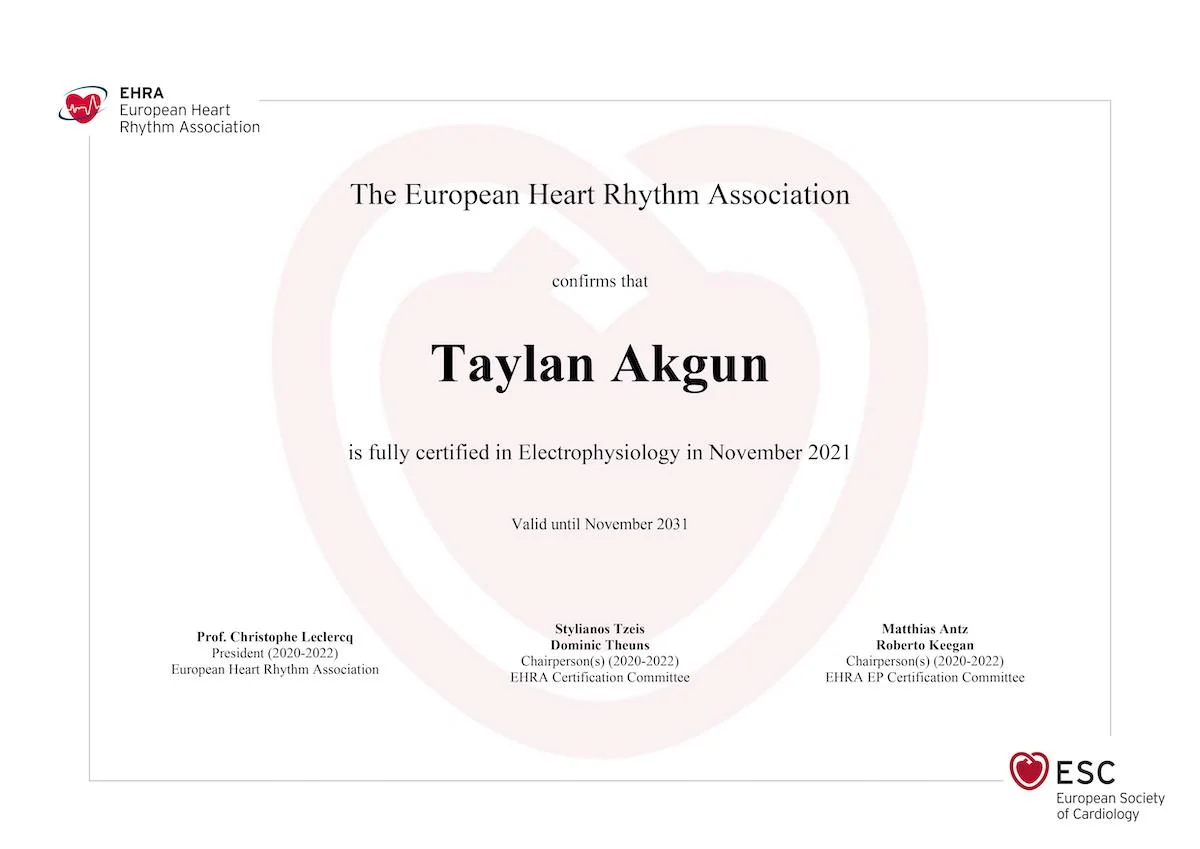
In 2021, he received the European Society of Cardiology – Cardiac Electrophysiology Board Certification.
Between 2020-2023, he established the Arrhythmia and Electrophysiology unit at Basaksehir Cam and Sakura City Hospital. This center quickly became one of Turkey’s highest-volume centers.
In 2024, he started working at Yeditepe University Kozyatagi Hospital.
Dr. Taylan AKGÜN Areas of Expertise
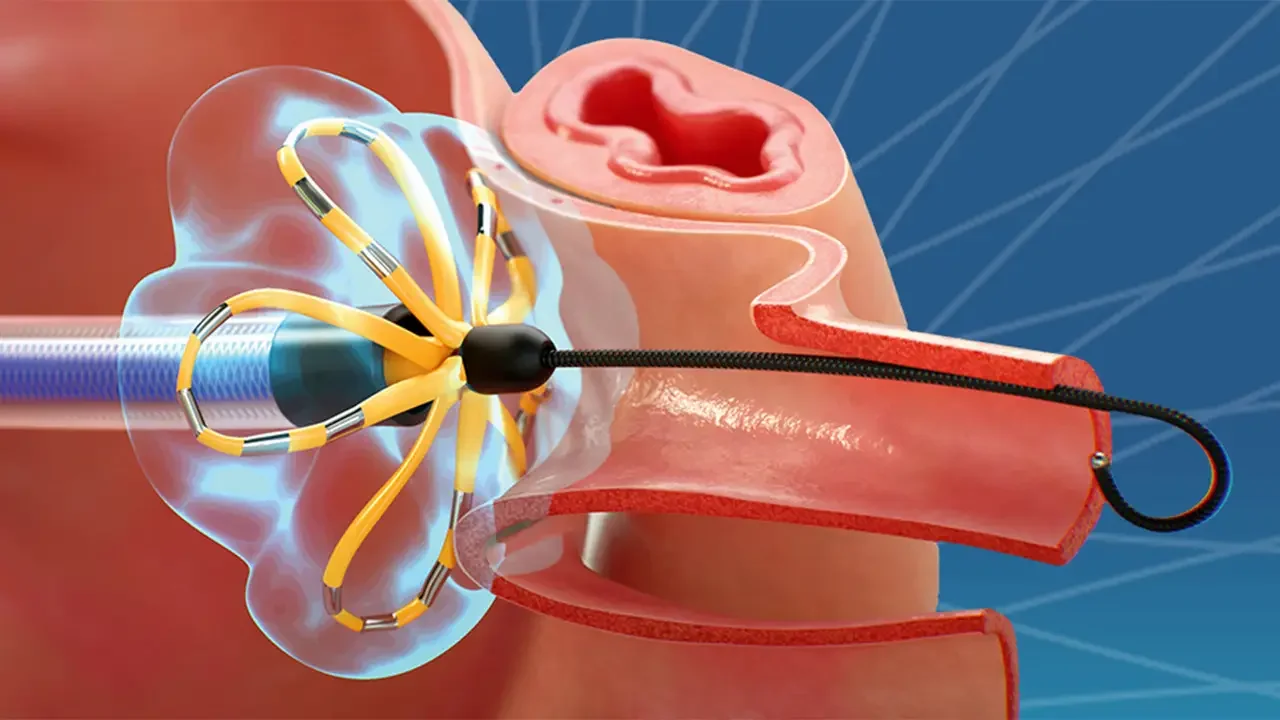
Pulsed Field Ablation (PFA): Procedure, Benefits and Results
Pulsed Field Ablation (PFA) is a new-generation catheter ablation technology used primarily in the treatment of atrial fibrillation. Unlike traditional ablation methods that rely on heat or cold, pulsed field…
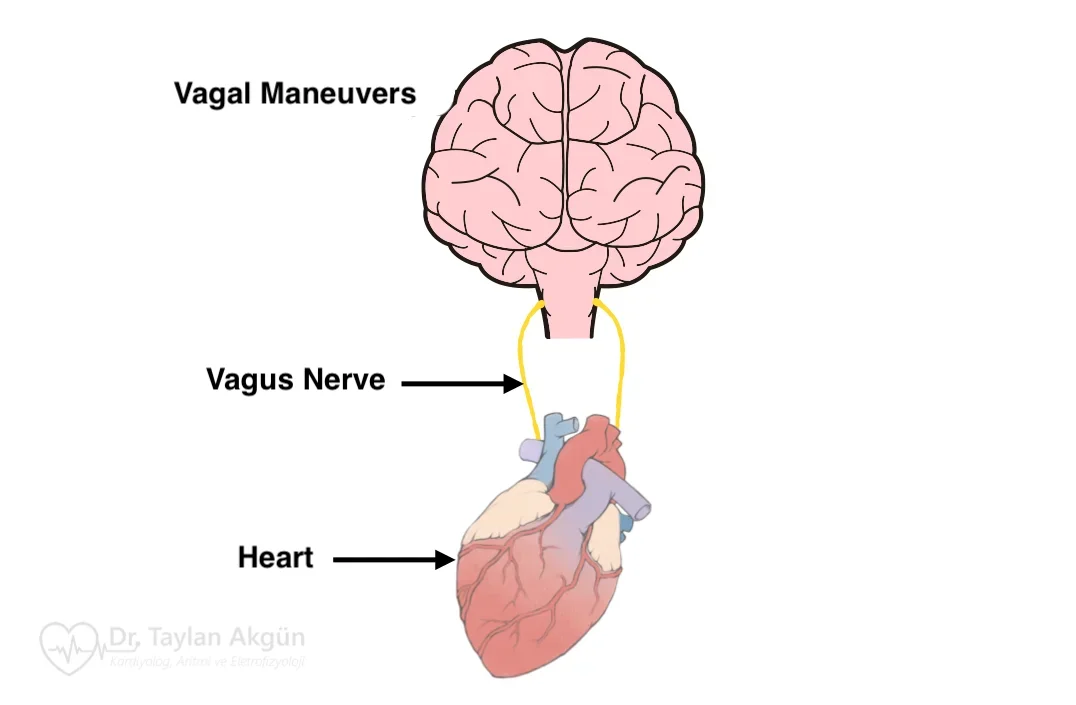
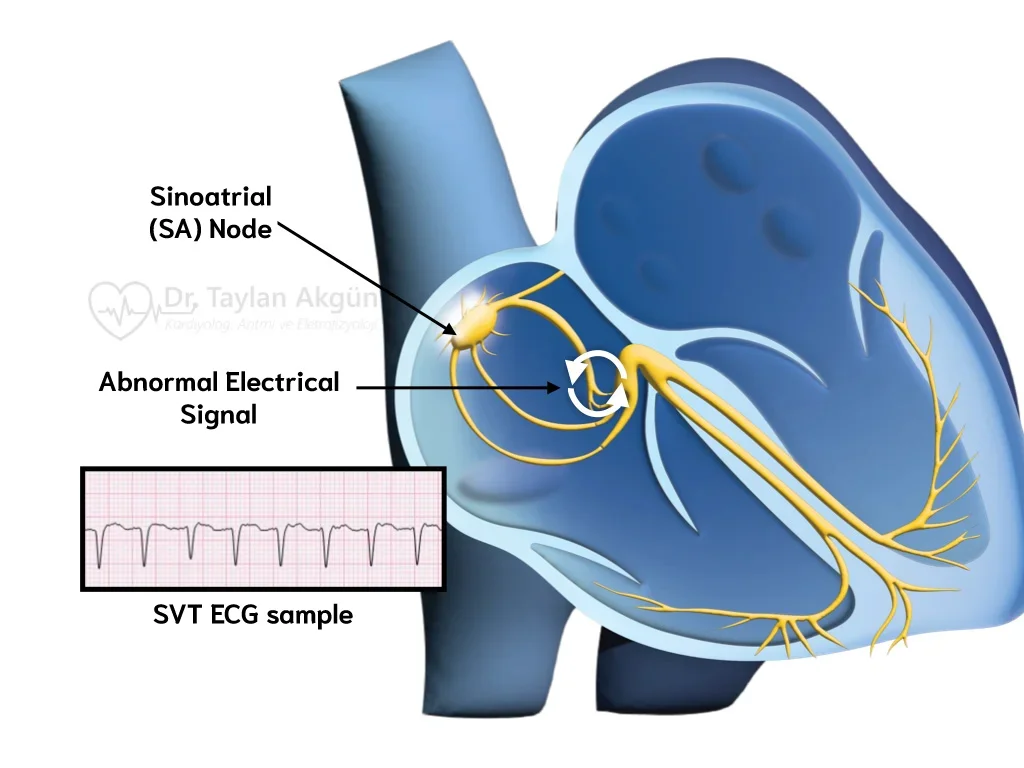
Read MoreVagal Maneuvers: Simple Techniques to Slow Your Heart Rate
Vagal maneuvers are simple, non-invasive techniques used to slow the heart rate or stop certain types of sudden rapid heart rhythms, most commonly supraventricular tachycardia (SVT). They work by stimulating…
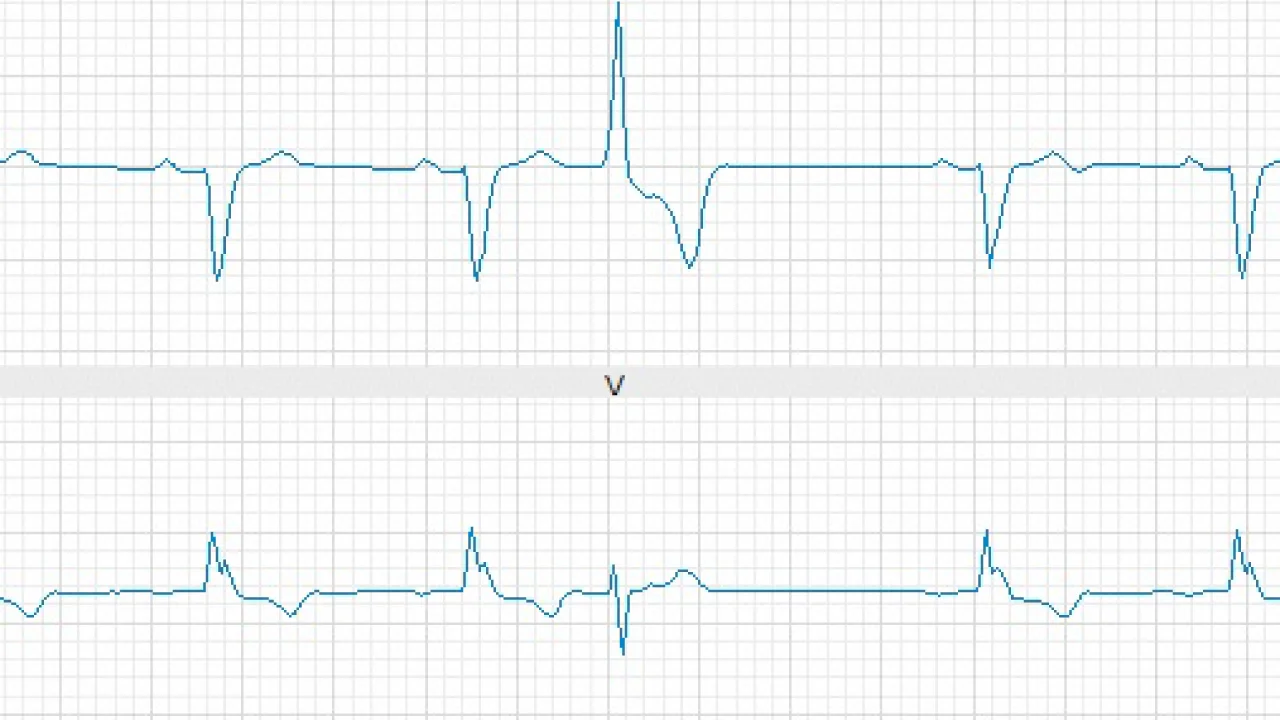
Read MoreCardioversion: Procedure & Recovery
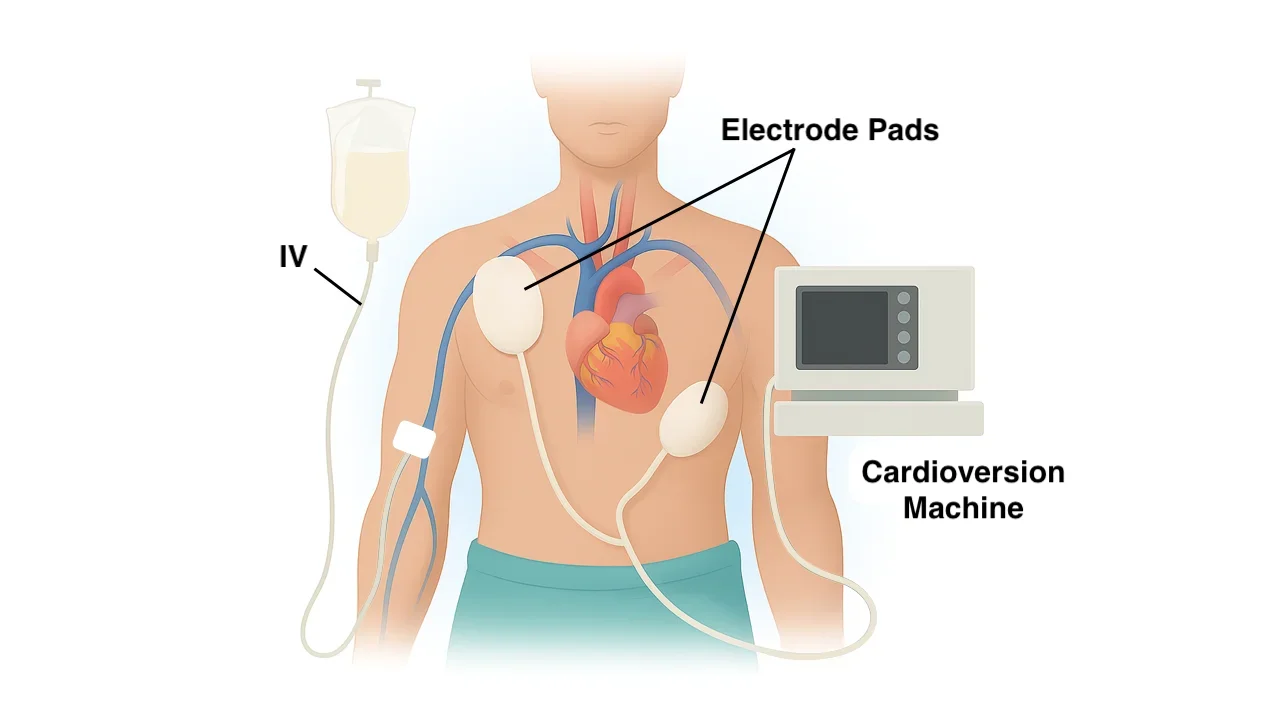
Cardioversion is a medical procedure used to restore a normal heart rhythm when the heart is beating abnormally fast or irregularly, most commonly in conditions such as atrial fibrillation or…
Read MoreLeadless Pacemaker: Purpose, Procedure and Aftercare
A leadless pacemaker is a small cardiac pacing device that is implanted entirely inside the heart, without the need for surgical pockets under the skin or electrical leads running through…
Read MoreImplantable Cardioverter Defibrillators (ICDs): Procedure, Recovery and Life
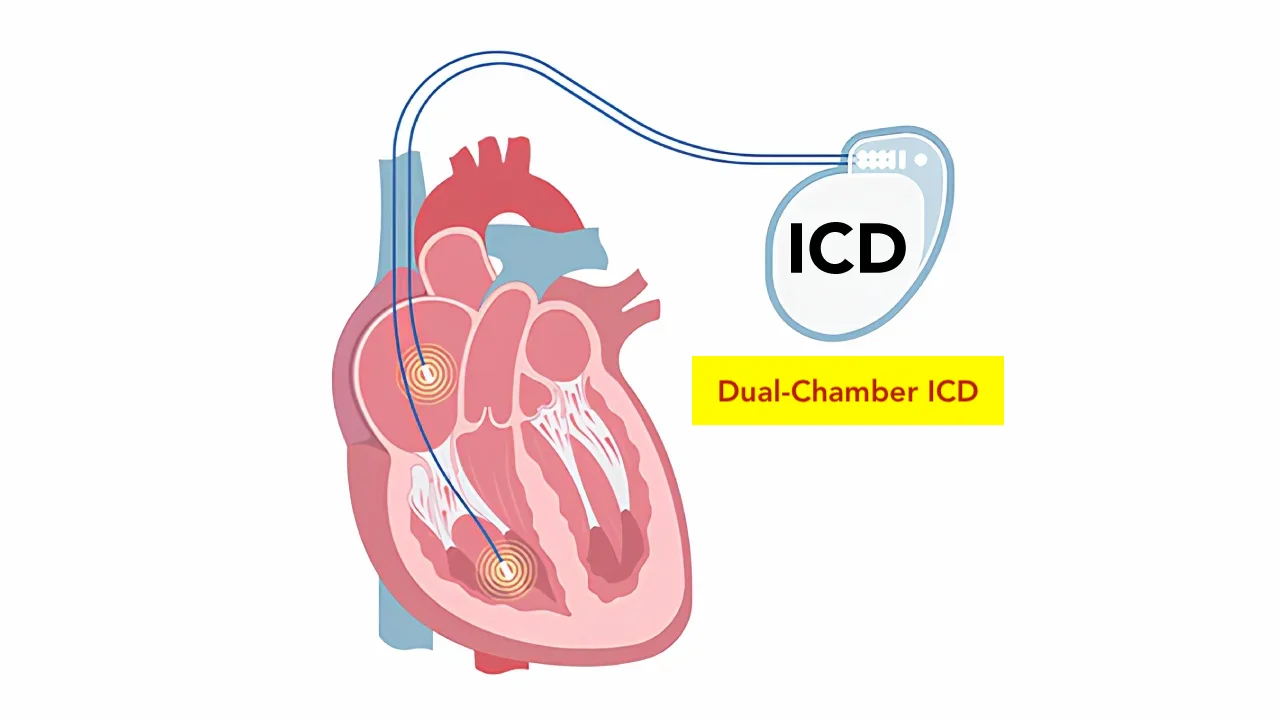
An implantable cardioverter defibrillator (ICD) is a small electronic device implanted under the skin to continuously monitor heart rhythm and immediately treat life-threatening arrhythmias. Its primary purpose is to prevent…
Read MoreCardiac Resynchronization Therapy (CRT): Purpose & Procedure
Cardiac Resynchronization Therapy (CRT) is an advanced pacing treatment used to improve the coordination of heart contractions in selected patients with heart failure and electrical conduction delay. In these patients,…
Read MoreCryoablation: Purpose & Procedure
Cryoablation is a catheter-based ablation technique used to treat certain heart rhythm disorders by freezing the tissue responsible for the abnormal electrical signals. By applying controlled cold energy, cryoablation creates…
Read MoreRadiofrequency Ablation in Heart: Purpose & Procedure
Radiofrequency ablation (RF ablation) is the most widely used catheter ablation technique for treating heart rhythm disorders (arrhythmias). It works by delivering controlled heat energy through a catheter to a…
Read MoreElectrophysiology (EP) Study: Purpose, Procedure and Recovery
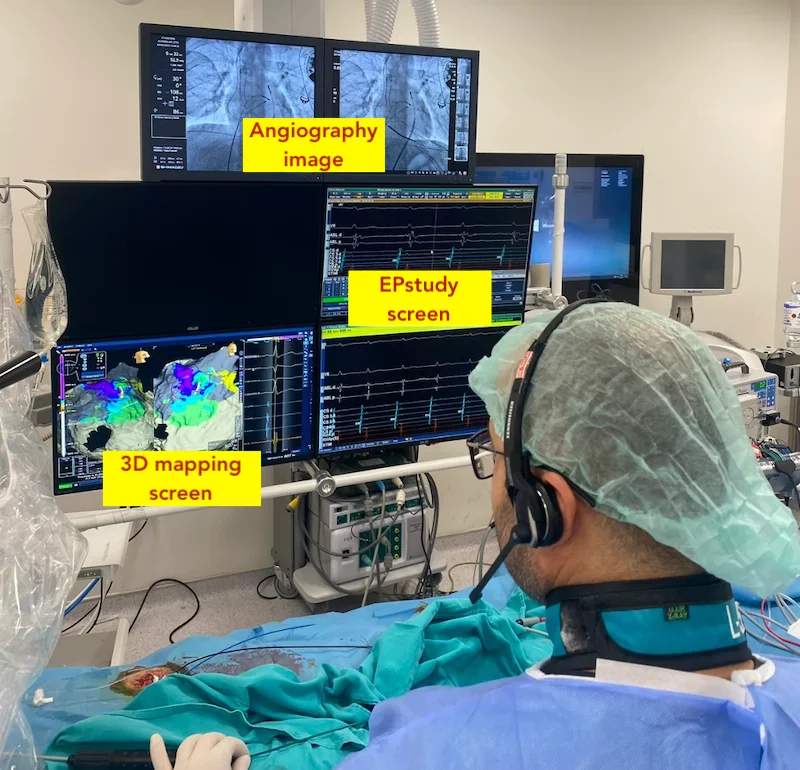
An Electrophysiology (EP) Study is a specialized cardiac procedure used to evaluate the heart’s electrical system in detail. It helps doctors understand why abnormal heart rhythms occur, where they originate,…
Read MoreCardioneuroablation for Reflex (Vasovagal) Syncope
Cardioneuroablation (CNA) is a specialized catheter-based procedure used to treat certain conditions caused by excessive vagal (parasympathetic) influence on the heart. It is most commonly considered in patients with recurrent…
Read MoreCardiac Ablation: Purpose, Procedure & Recovery
Cardiac ablation is a medical procedure used to treat heart rhythm disorders (arrhythmias) by stopping the source of the abnormal rhythm. The aim of the procedure is to help the…
Read MorePacemaker Lead Extraction
What is Lead Extraction? Pacemaker removal may be necessary due to fractures or breaks in the cables, malfunctions in the battery or infections. The removal of the battery and wiring…
Read More3D Ablation and Mapping
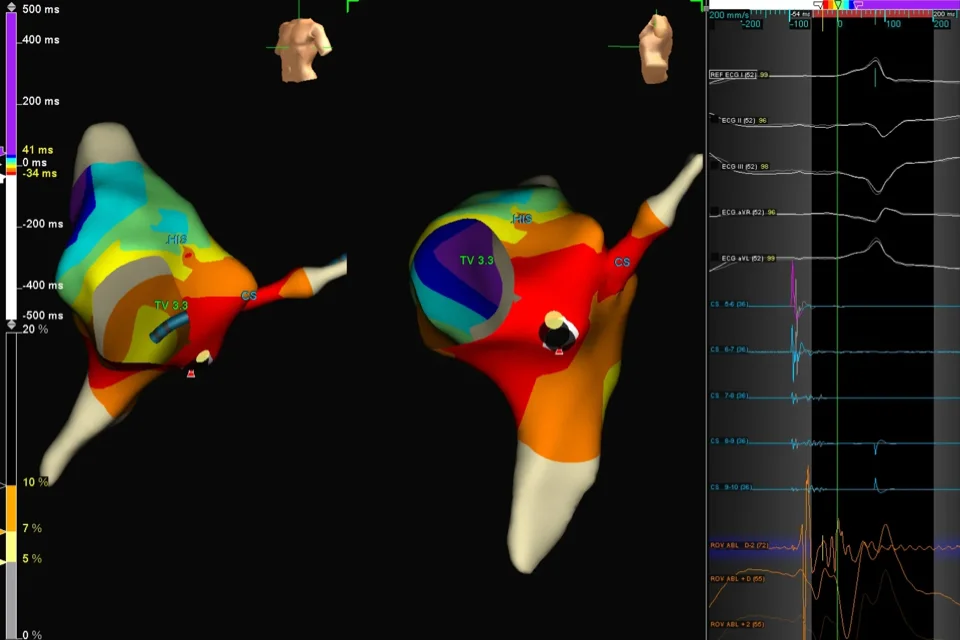
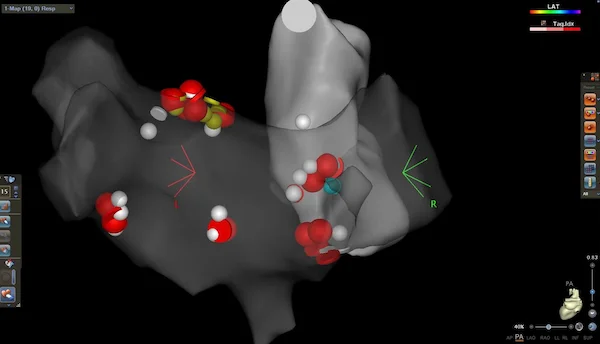
When doctors perform cardiac ablation to fix abnormal heart rhythms, they need to know exactly where the problem is coming from. Traditional ablation uses X-rays and basic electrical recordings to…
Read MoreAtrial Fibrillation Ablation: Procedure, Recovery and Results
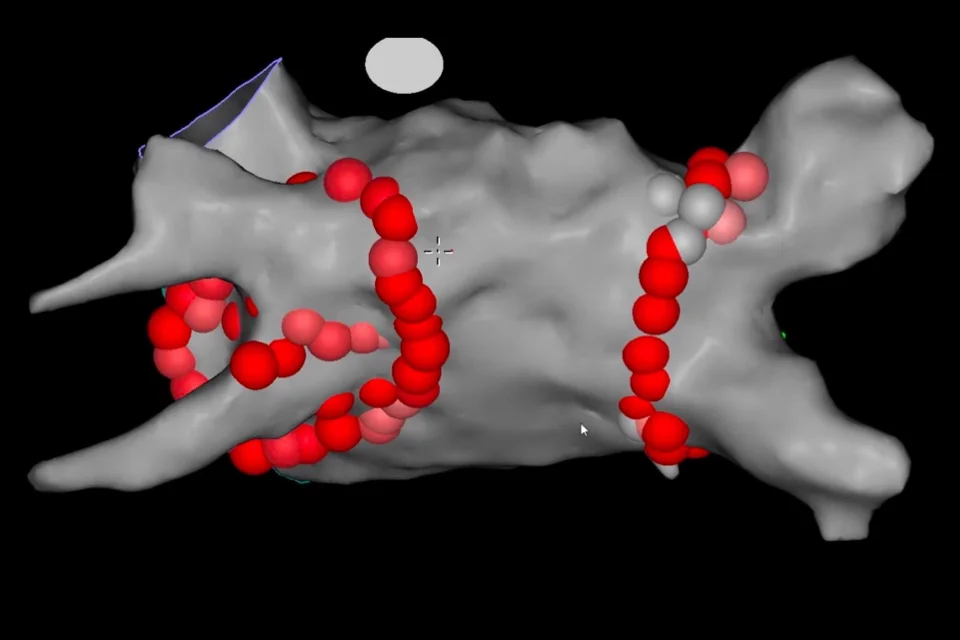
Atrial fibrillation (AFib) ablation is a catheter-based procedure used to reduce or eliminate episodes of atrial fibrillation by treating the areas of the heart that trigger and sustain this irregular…
Read MoreEpicardial Ablation: Purpose and Procedure
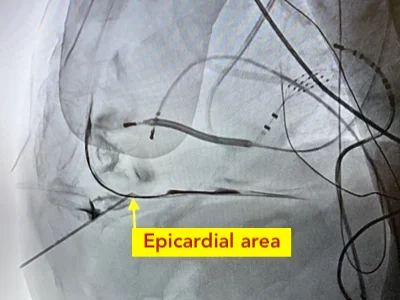
Epicardial ablation is a specialized catheter ablation procedure used to treat certain heart rhythm disorders that originate from the outer surface of the heart, known as the epicardium. It is…
Read MoreCardiac Pacemaker: Types, Procedure, Recovery
A cardiac pacemaker is an implantable medical device used to treat slow heart rhythms (bradycardia) and electrical conduction disorders of the heart. A cardiac pacemaker works by delivering carefully timed…
Read MoreDr. Taylan AKGÜN Academic Publications
You can access academic publications by clicking the button below.
Prof. Dr. Taylan AKGÜN Professional Memberships
Member of Turkish Society of Cardiology, European Society of Cardiology, and EHRA. Chairman of the Arrhythmia Working Group of the Turkish Society of Cardiology.
Dr. Taylan AKGÜN Educational Websites
These websites are intended for healthcare professionals only.